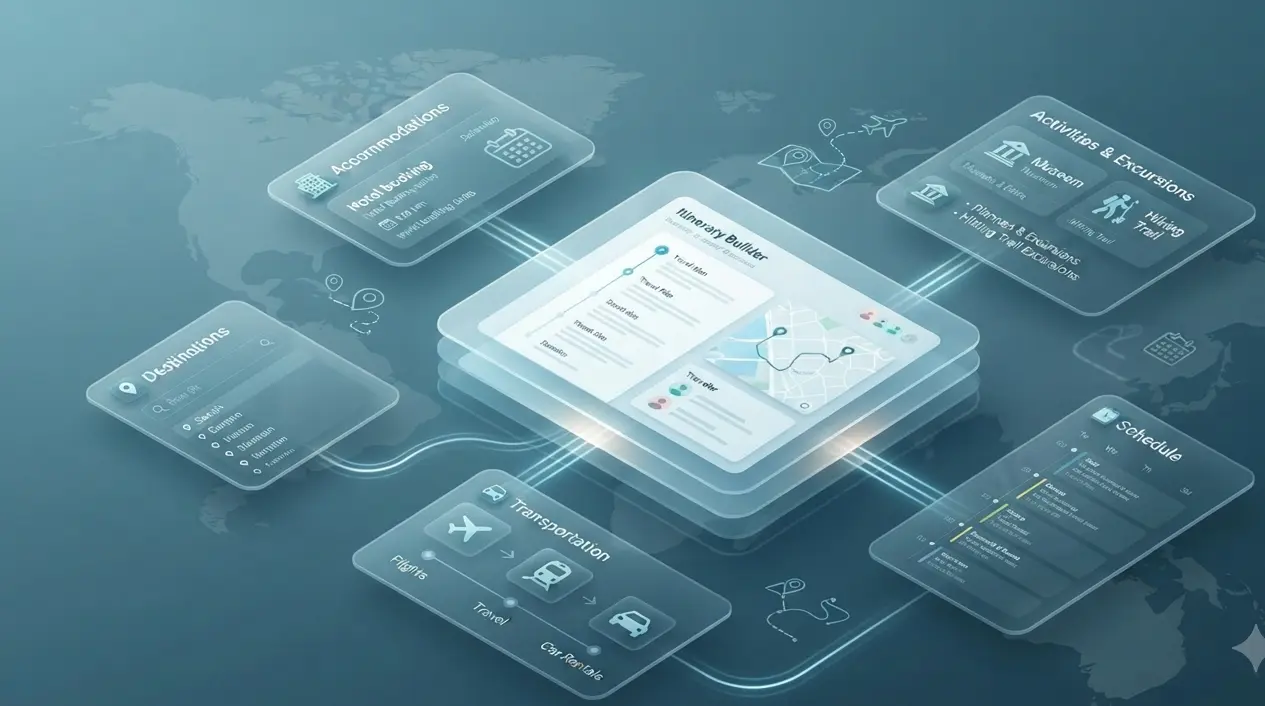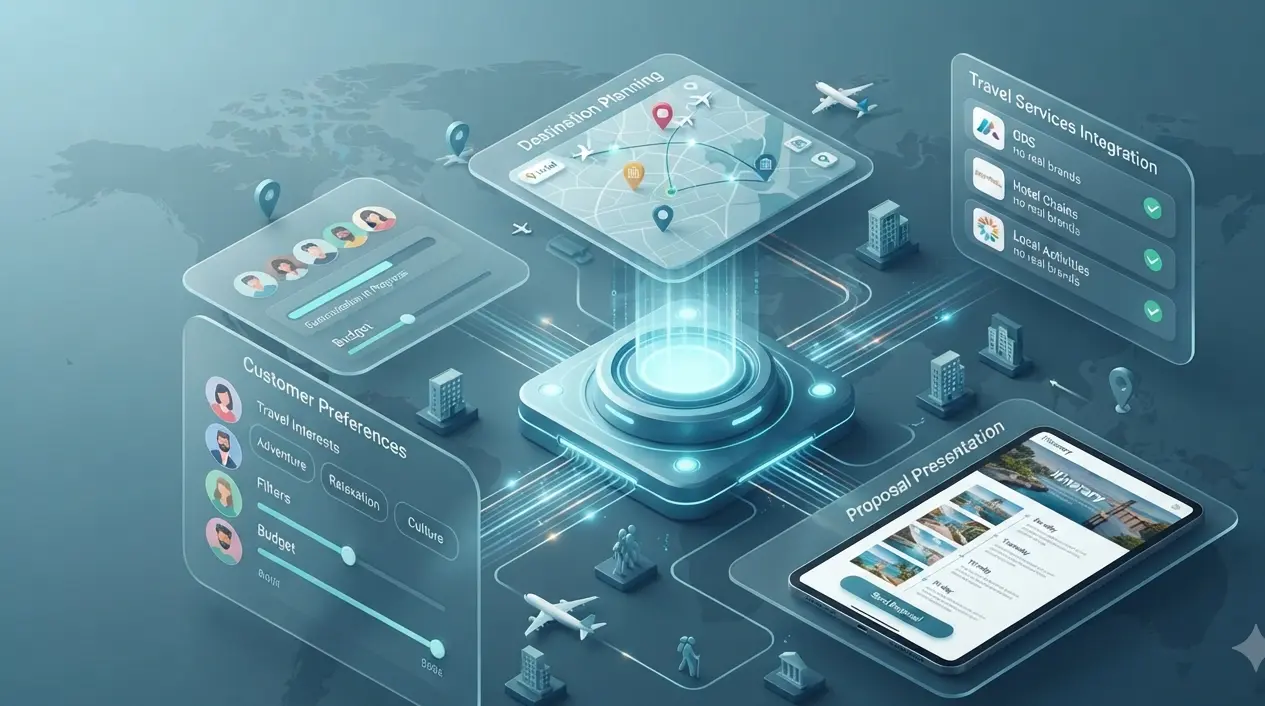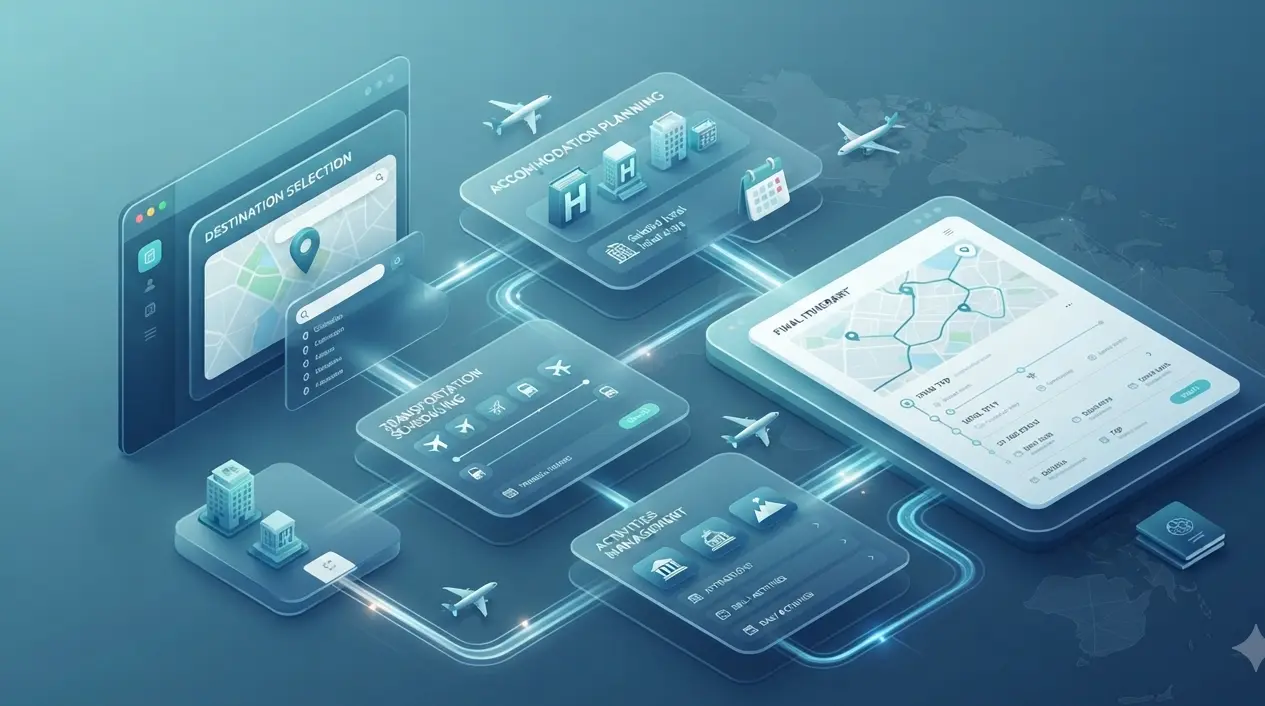
A salesperson opens the CRM to view a client’s history, enters the booking system to confirm hotel availability, and then checks a third program to see if that client has already paid. Three screens, three logins, the same sale. The question that almost every agency asks is not which of the three systems is best, but what happens when the ERP, CRM, and booking system don’t communicate with each other.
Why ERP, CRM, and Booking Systems Are Confused
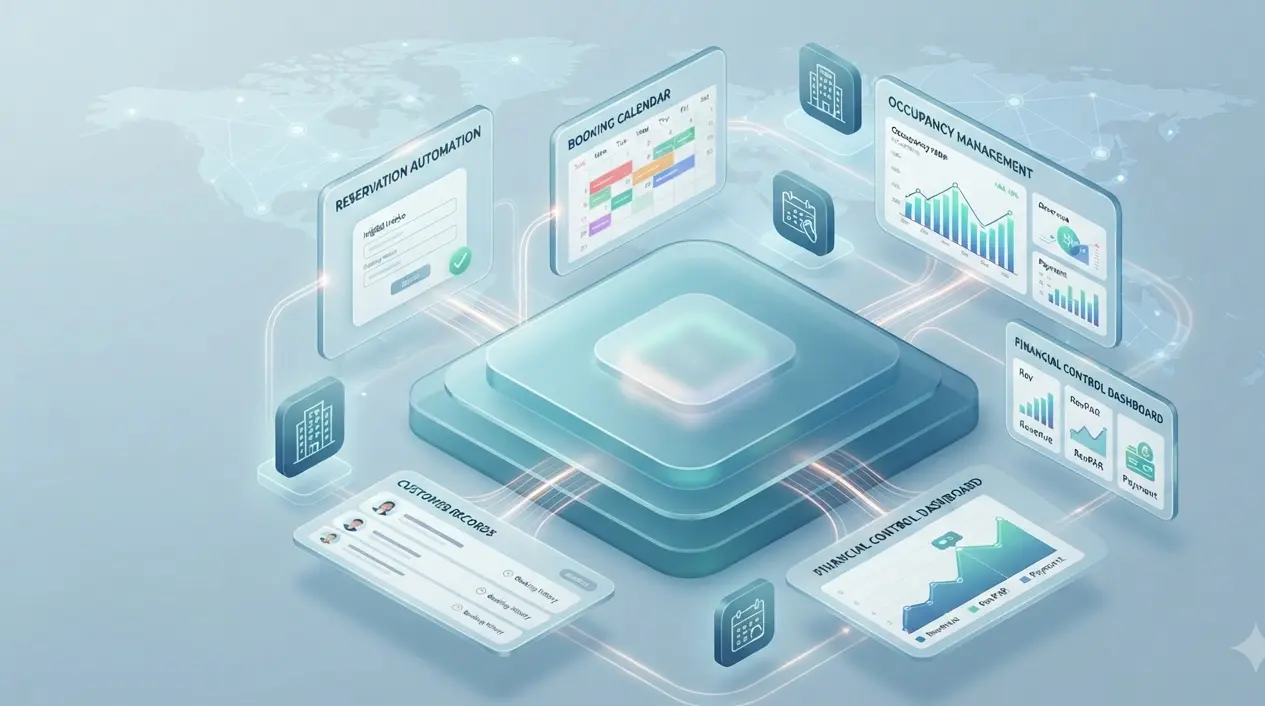
The three terms appear together so frequently that they end up sounding interchangeable, although each answers a different question within the operation. The CRM answers who this client is and what they need: which destinations they inquired about, what budget they have pending, when the last contact was. The booking system answers what availability there is and at what rate from a specific provider, something the CRM doesn’t know and doesn’t need to know. The ERP answers a third question, different from the previous two: what generated this sale in the agency’s accounting, once the client has confirmed and the booking is secured. Three questions, three functions, and no system designed to replace the other two.
What Each System Does When Working Separately
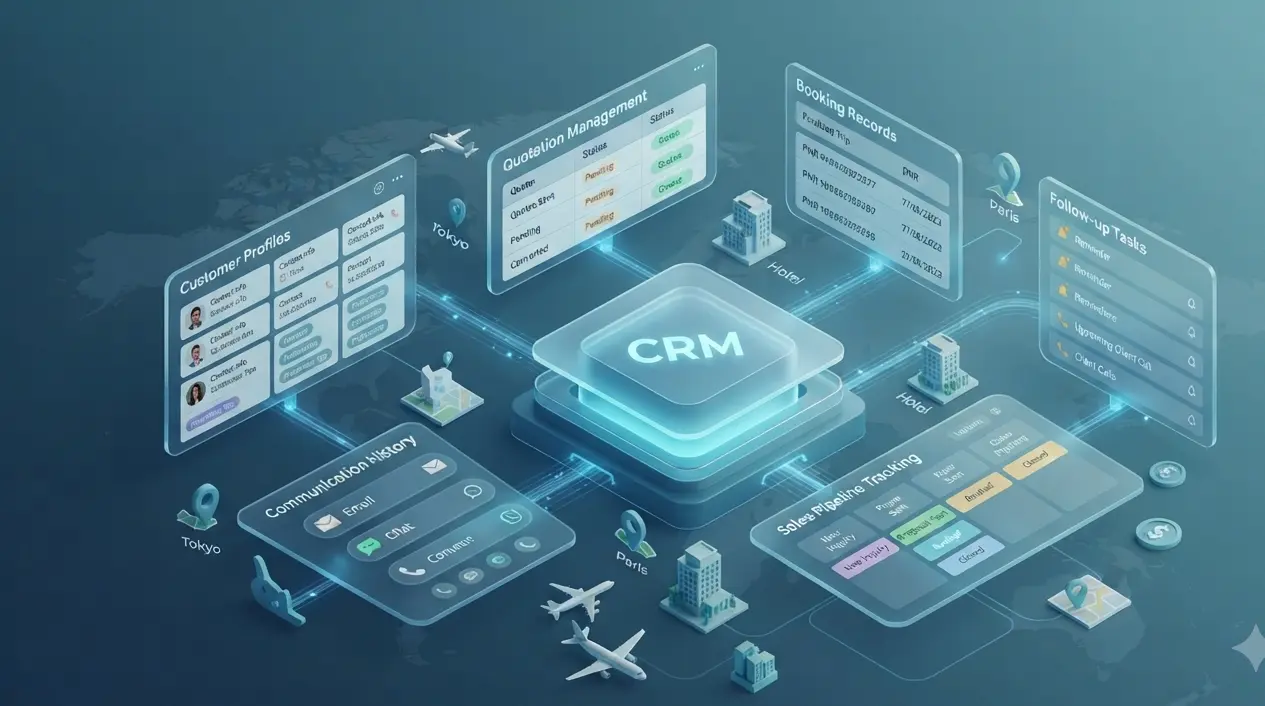
A CRM centralizes the commercial relationship: contacts, pending quotes, conversation history. We already explored what a CRM is and how it can help a travel agency in more detail in another article, so it’s enough to point out here that its function is commercial, not accounting or operational.
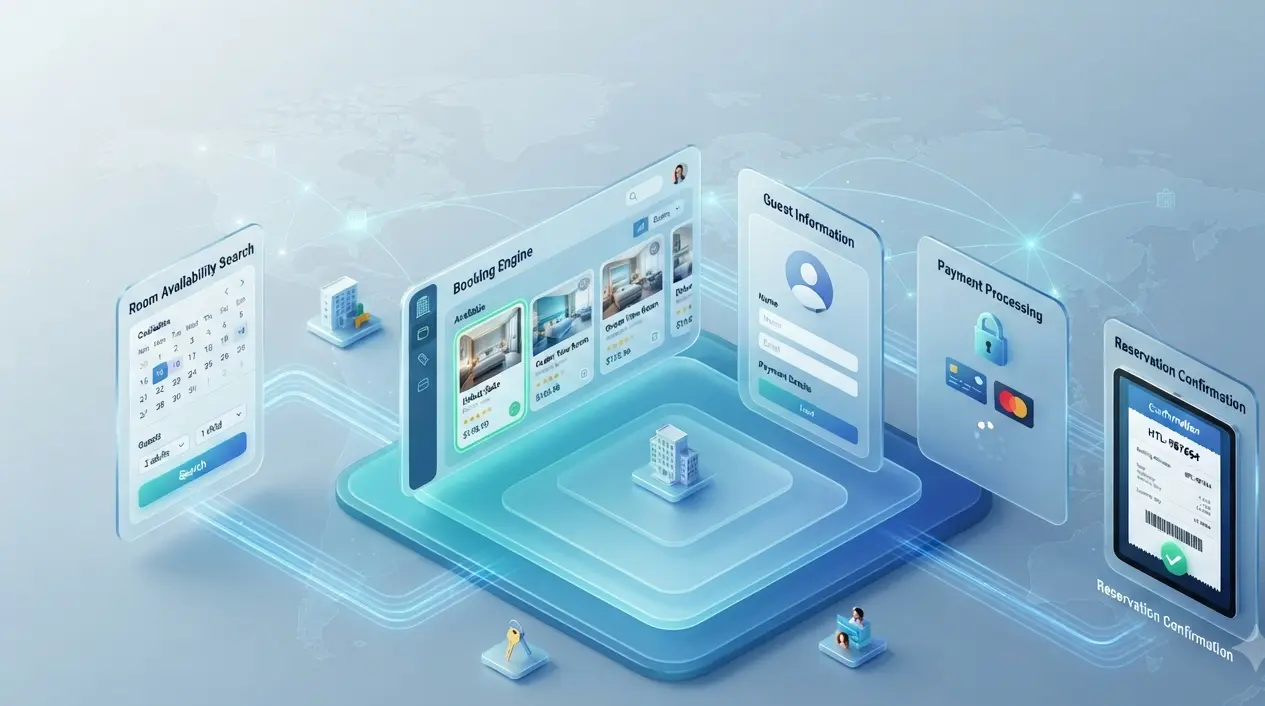
The booking system plays a different role. It handles availability, rates, and confirmations with suppliers, without keeping a record of the client relationship or the financial movements that booking generates afterward. There are different types of booking systems depending on the agency model, but none of them were designed to fulfill the function of an ERP, nor would it make sense for them to do so: mixing these responsibilities is what often makes a system that should, in principle, be simple, slow and confusing.
What the Data Shows About the Real Connection Between These Systems
The digitalization report for tourism SMEs by the Spanish Secretary of State for Tourism, prepared through SEGITTUR, measures eight different areas of digital maturity in companies in the tourism sector. The digital systems area, which evaluates how many tools each business uses and how connected they are, reached a level of 46.8%, below staff talent (54.2%) and marketing and sales (52.5%). The same report points to reduced budgets, limited team time, and a lack of knowledge on where to start ordering digital transformation as the most frequent barriers.
The data confirms something observed daily in real operations: agencies add tools faster than they connect them. Having a CRM, a booking system, and an accounting spreadsheet does not equate to having an integrated workflow, and that gap between adopting technology and connecting it is exactly where an ERP comes in. Before adding a fourth tool to solve this problem, it’s worth reviewing what a good ERP for travel agencies should have, instead of assuming that any new system will solve a disconnection that already exists between the current ones.
The Sales Flow Without an ERP Connecting the CRM and Bookings
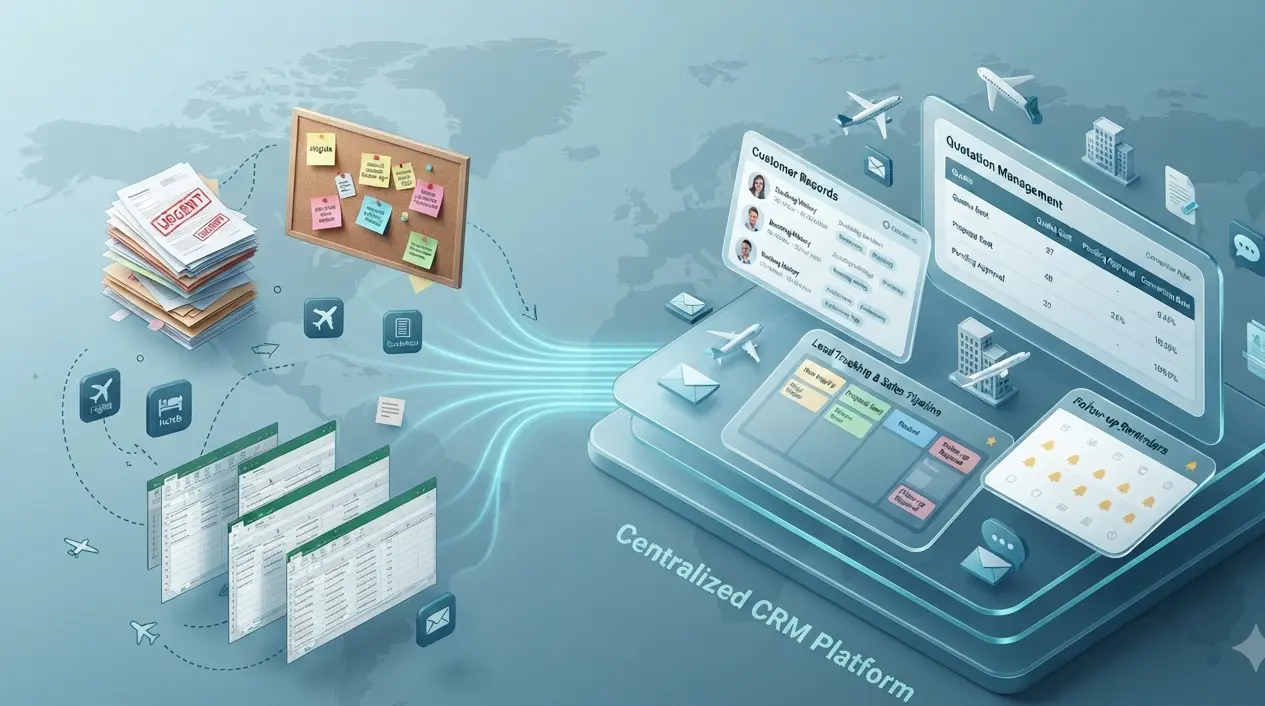
Let’s consider a common sale. A client requests a quote via WhatsApp. The agent manually prepares it and sends it by email. When the client confirms, the agent enters the booking system to secure the hotel, and then has to notify the collections department through another channel, which records the payment in a separate spreadsheet because they don’t have direct access to the booking. If the client requests a date change two days later, someone has to repeat a good part of that process: go back to the booking system, notify collections again, update the original quote. Only at the end of the month does someone from accounting combine the three records (the quote, the booking, and the payment) to reconstruct how much that sale actually generated.
The Same Flow, With an ERP Connecting the CRM and Bookings
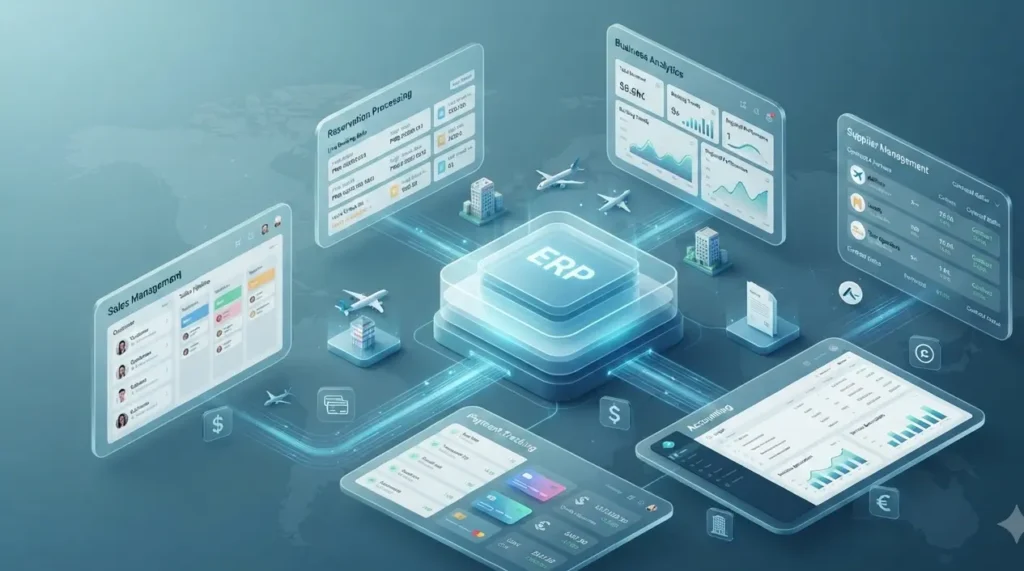
The same quote changes form when an ERP is involved. The CRM records the client’s request and, upon confirmation, the booking is generated from the same environment without re-entering data. The payment is automatically associated with that booking, and the ERP produces the corresponding accounting entry: what was collected, what is owed to the supplier, and the margin of the operation.
That last point often goes unnoticed, but it’s where the difference is most apparent. A date change no longer means repeating the process in three different systems, because the booking, payment, and accounting entry are linked from the origin. And the margin of that sale is available for anyone who needs to consult it that same day, not at the end of the month.
How This Difference Changes Depending on the Type of Agency
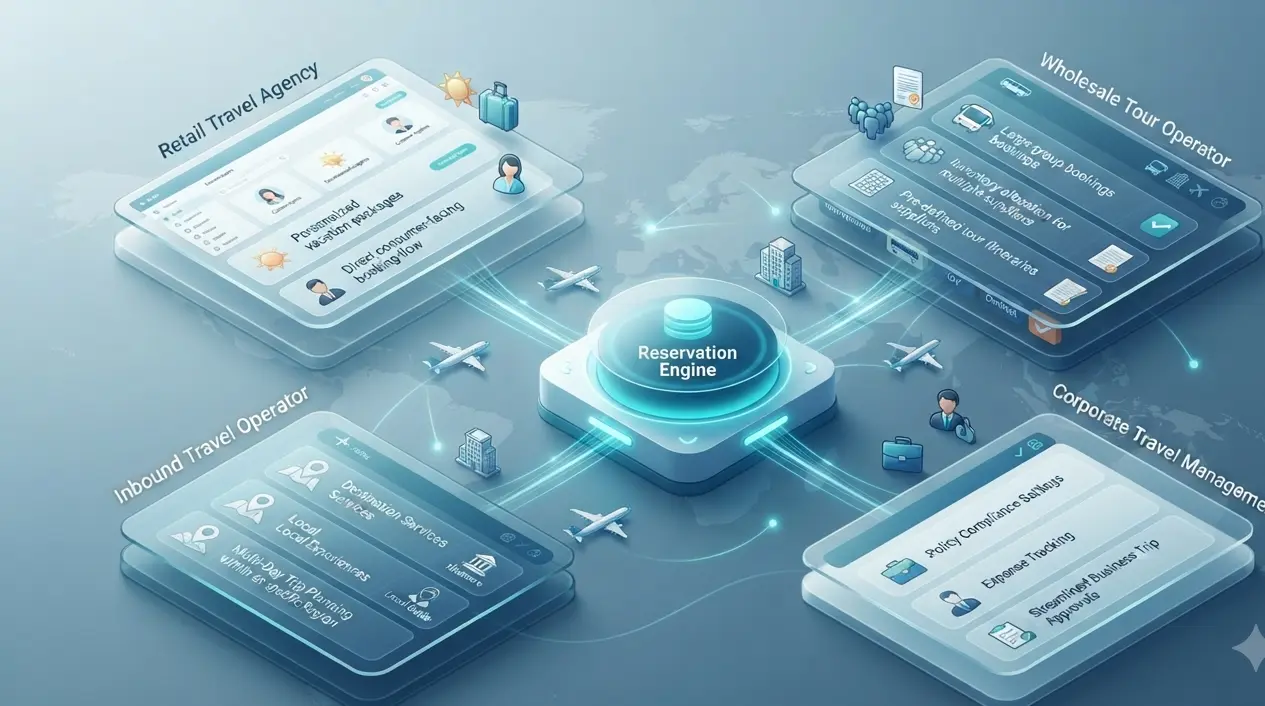
The importance of each system is not the same in all agencies. In an outbound agency, with a high volume of daily inquiries, the CRM is often the first bottleneck: losing track of a conversation with a client costs concrete sales. In an inbound tourism company, the critical point is usually in the operational coordination between bookings and suppliers, where a last-minute change needs to be reflected in several places at once. In a wholesale operator, the priority is almost always financial: knowing precisely what margin each package sold to other agencies leaves.
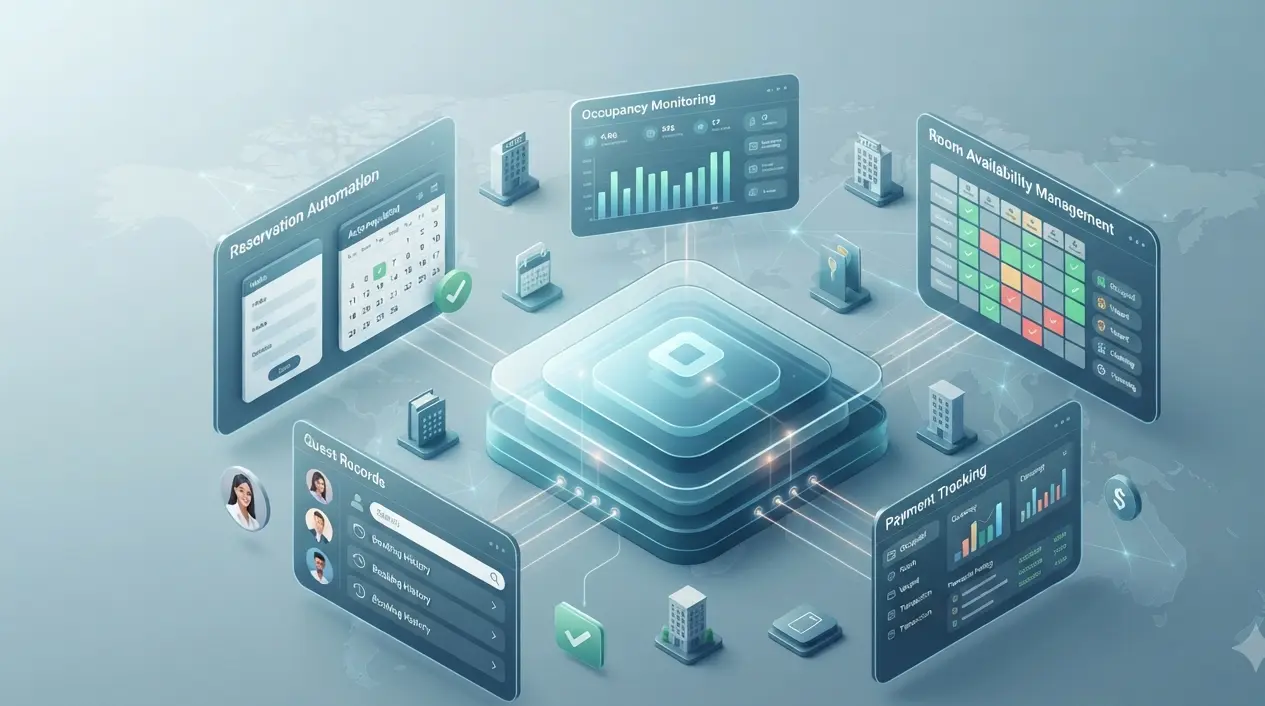
These three priorities (commercial, operational, and financial) are, ultimately, the same three functions covered by the CRM, the booking system, and the ERP. No agency chooses just one. What changes depending on the business model is which of the three hurts first when it’s missing.
Three Systems, One Operation
The initial question (ERP, CRM, or booking system) stems from a misconception: that you have to choose one. In practice, a growing agency ends up needing all three, and what determines whether that combination works is not which one is purchased first, but how early they start communicating with each other. Platforms like Toursys were created precisely to solve that combination: the CRM, bookings, and ERP coexist in the same environment, so each sales confirmation arrives with its commercial, operational, and financial information simultaneously, without needing to request it separately.
How many times a week does your team have to ask another system for information it should already have?