There comes a moment in the history of almost every travel agency when tools stop scaling alongside the business. It doesn’t happen all at once. It happens slowly, with symptoms that seem normal: a spreadsheet that becomes difficult to maintain, an email that arrives late, or a rate that doesn’t match between what the consultant sold and what operations confirmed.
The question that should be asked at that point isn’t “are we using too few tools?” but rather “do the tools we use understand how tourism works?” That distinction changes everything.
Why generic tools aren’t enough to manage your agency
Google Sheets, Trello, a generic sales CRM, standard billing software. These are solid tools for what they were designed for. The problem isn’t that they are bad; the problem is that tourism has a very specific business logic that doesn’t fit into the molds of a generic tool.
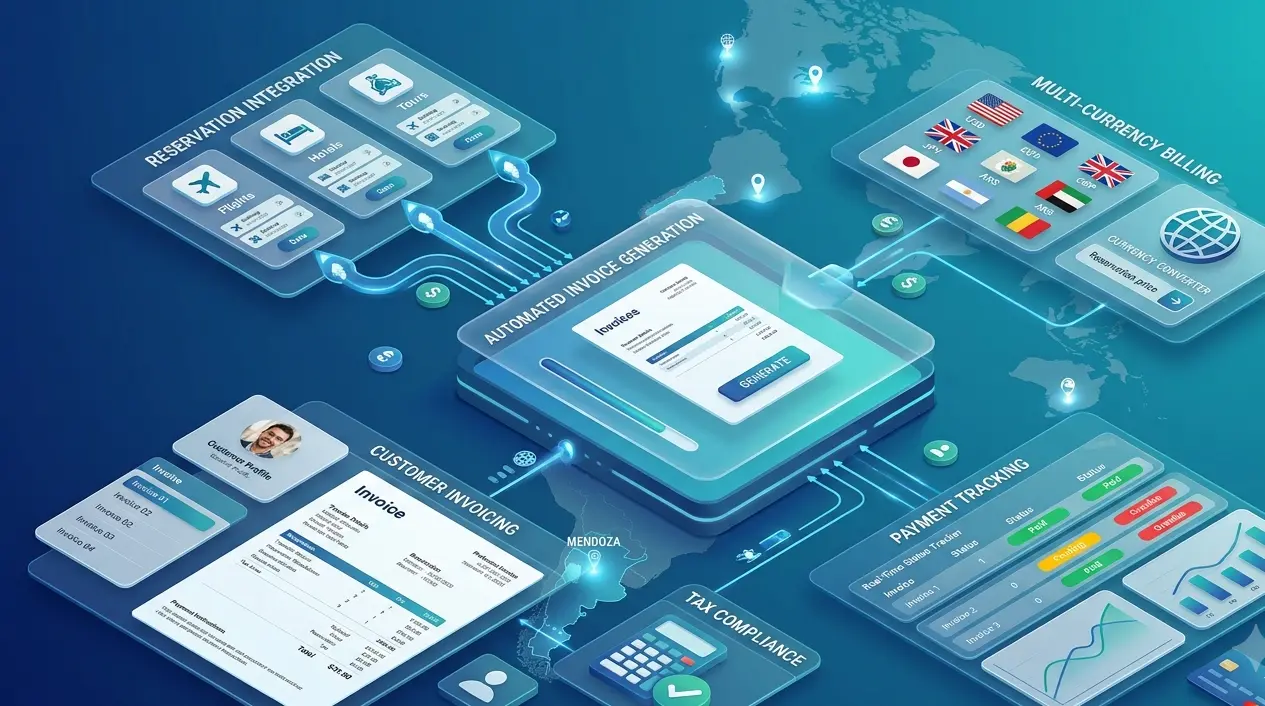
A sale in a travel agency is not a simple transaction. It is a process that links quoting, confirmation with suppliers, service assignment, field operations, staged payments, potential itinerary adjustments, and final invoicing. All of this is connected, in real time, with different stakeholders.
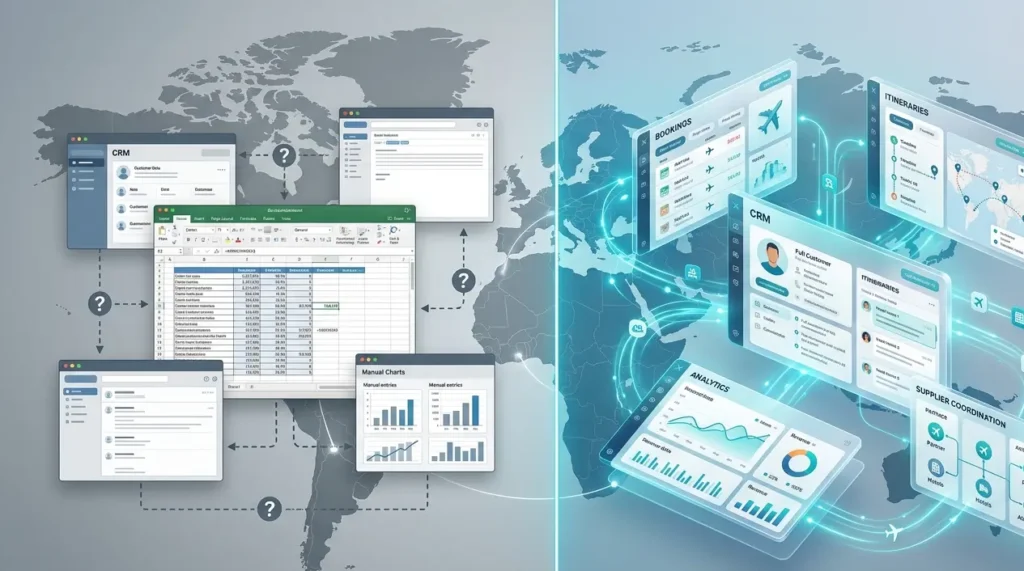
When that process is spread across tools that don’t talk to each other, the agency starts to function like a puzzle with missing pieces. And the team ends up being the glue trying to join what the system fails to connect.
Generic tools in tourism: how their limits manifest
To fully understand the difference, it’s worth looking at how it manifests in concrete day-to-day situations. An outbound agency managing its quotes in Excel needs to update rates manually every time a supplier changes their prices. If they forget to update a sheet, the consultant might be selling with incorrect margins without knowing it. There is no visible error at the time. The error appears weeks later during reconciliation.
An inbound agency coordinating its guides and transfers via email and messaging loses traceability as soon as volume increases. Who has confirmed Friday’s service? What is the definitive version of the itinerary for that group? The answers live in different inboxes and in document versions where no one knows which is the most recent.
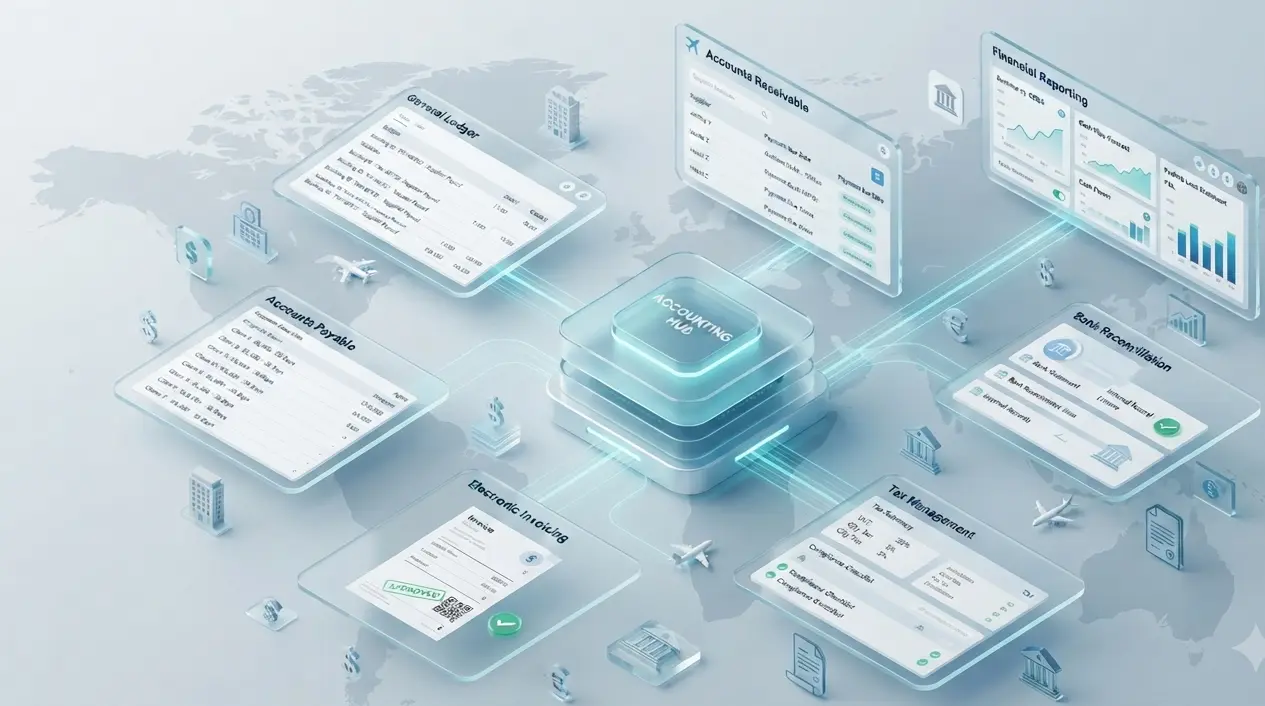
A tour operator handling their accounting in standard software not designed for tourism has to perform manual reconciliations to understand their real profitability per service. This is because the accounting software doesn’t know that a specific income corresponds to a package with three components, a prepayment, and a deferred commission.
None of these problems appear in any tool’s manual. They appear when the operation grows and the gap between “what the system can do” and “what tourism needs” becomes too large to ignore.
What makes software designed for tourism different
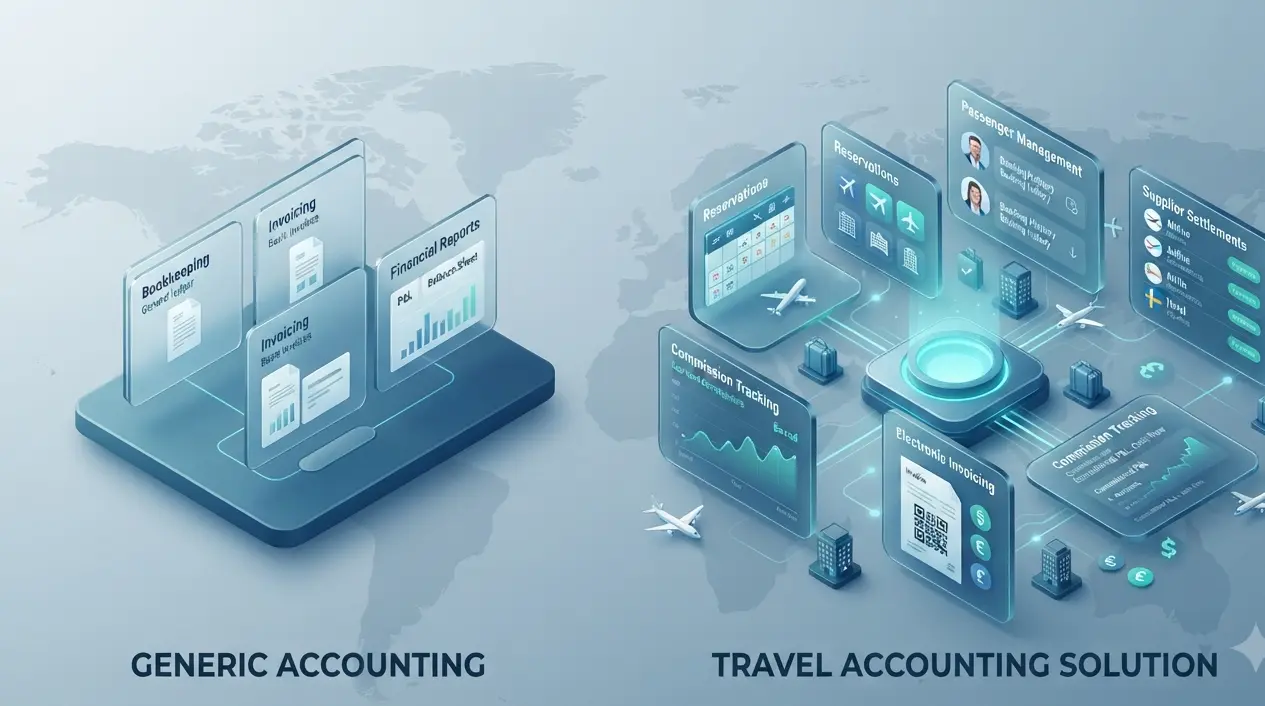
Travel software understands that a booking is not just a record: it is the source of financial, operational, and documentary movements occurring in parallel. It understands that a service can have different rates depending on the season, room type, number of passengers, and sales channel. It understands that a supplier needs confirmation and that this confirmation must be recorded, traceable, and accessible to anyone on the team.
If you have already explored the problems generated by operating with systems that don’t communicate with each other, you probably recognize the patterns. The article on the risks of isolated systems in travel agencies goes into more detail on how this fragmentation affects every area of the operation.
The difference between a generic tool and a specialized platform isn’t aesthetic or about the interface. It’s structural. One forces you to adapt your processes to its logic. The other is built on the logic of tourism from the ground up.
Travel software vs. generic tools: three critical gaps
| Area | With generic tools | With a travel system |
| Quotes | Manual, prone to rate errors, difficult to update | Generated from centralized rates, with automatic recalculation |
| Operations | Coordination by email, no unified traceability | Control from a single dashboard, with integrated assignment and tracking |
| Accounting | Reconciliations separate from the original booking | Financial movements generated automatically from each operation |
The key isn’t in the right column. It’s in what the left column costs the agency every day: hours of rework, information errors, and decisions made with incomplete data.
When operational signals can no longer be ignored
Many agencies recognize these symptoms but normalize them. “That’s just how tourism works,” they say. But that’s not how tourism works. That’s how an agency that doesn’t yet have the right tools works.
Sustained rework has a cost that doesn’t appear in any report: the opportunity cost of a team spending hours on coordination tasks instead of selling, serving clients, or designing better products.
If you identify any of these patterns in your operation, the article on signs that your agency needs a management system can help you organize the diagnosis more accurately.
From generic tools to a connected tourism operation
Choosing between generic tools and specialized software is not a technology decision. It’s a decision about how you want your agency to operate. An operation that depends on tools that don’t integrate has a very clear ceiling. It may work well at certain volumes. But scaling with that architecture means also scaling rework, errors, and the dependency on people who “know how the system works” even if the system doesn’t document it.
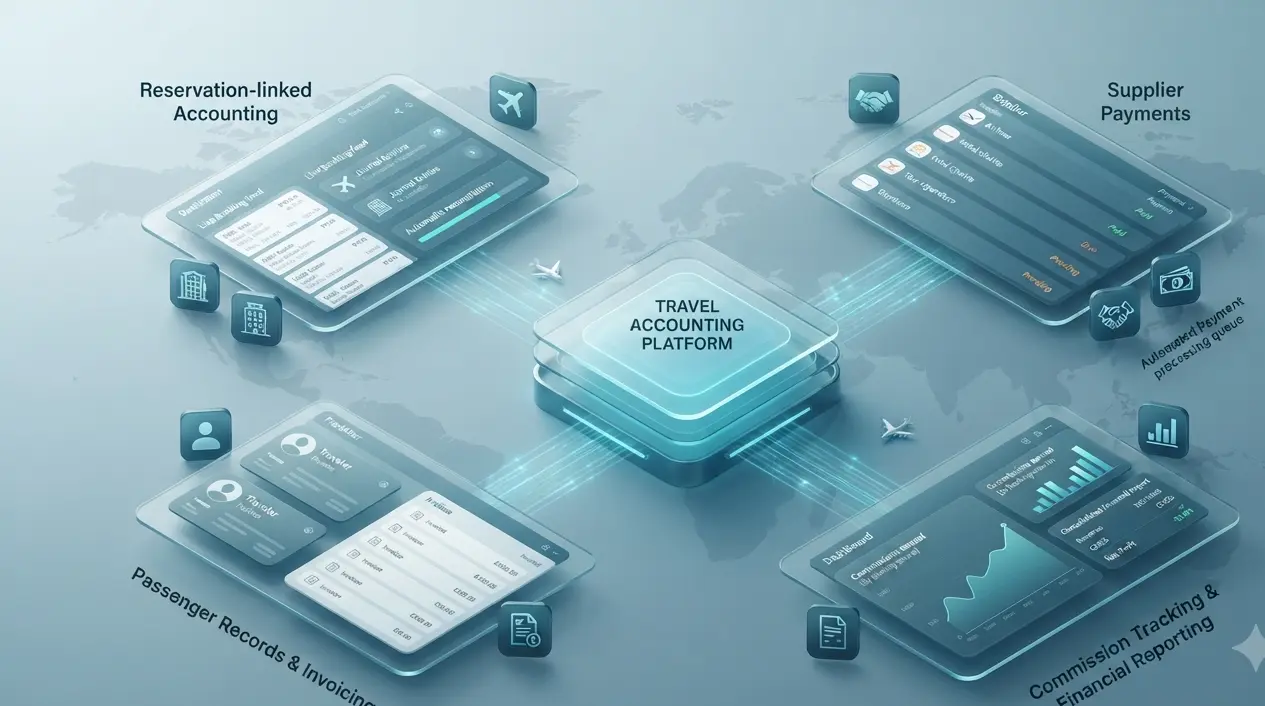
A connected operation, where sales, operations, and finance speak the same language from a single platform, is not only more efficient. It is more resilient. It can grow without growth generating chaos.
The shift from one logic to the other doesn’t happen overnight. But it does start with a decision: recognizing that generic tools were not designed for this business, and that operating as if they were carries a price paid every day.
To understand what this step implies from an operational standpoint, the comprehensive management module for travel agencies shows what a centralized operation looks like in practice.