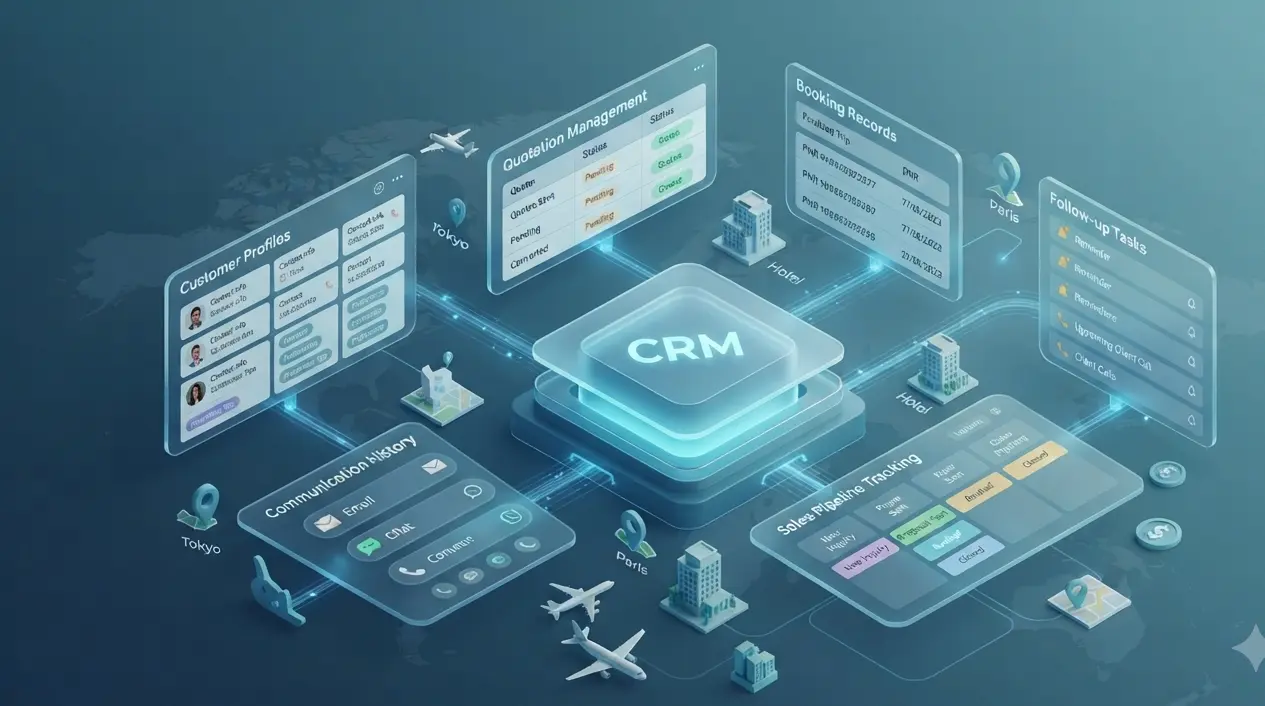
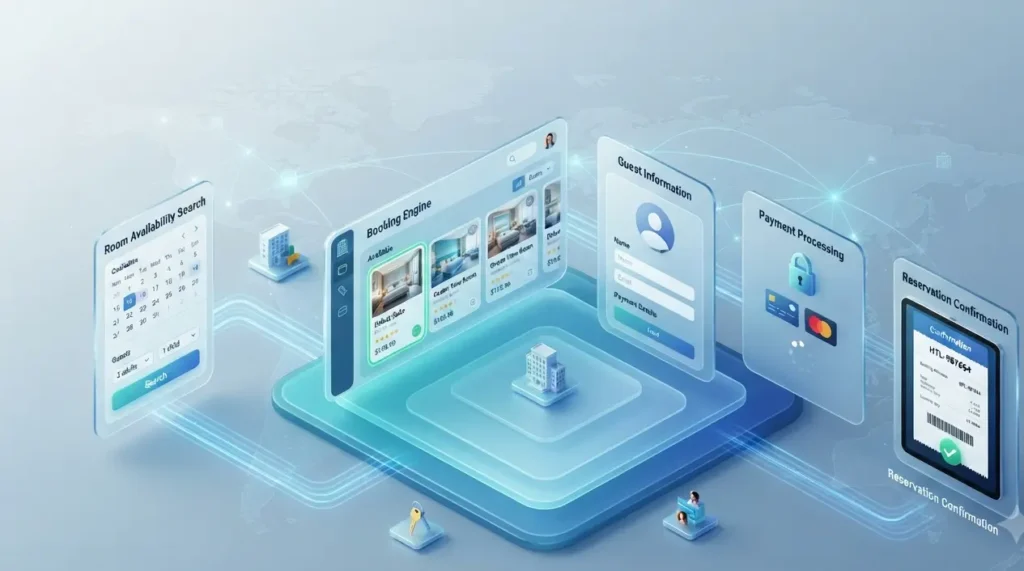
When an agency searches for accommodation for a client, it rarely thinks about “what system the hotel uses.” It thinks about something else: is there availability for those dates? At what rate? Can I confirm it right now, or do I have to wait for the supplier’s response? That’s where hotel software explained from an agency’s perspective becomes a different topic from what technical articles about hotel PMSs usually cover: it’s not about how the hotel manages its rooms behind the scenes, but about how that information reaches the agent who’s putting together a quote.
It’s worth separating the two from the start. The hotel has its own internal management system: check-in, check-out, housekeeping, guest billing. But that’s not the system an agency interacts with. What an agency searches, compares, and books goes through an intermediate layer that’s almost never mentioned in generic booking explanations: the bedbank.
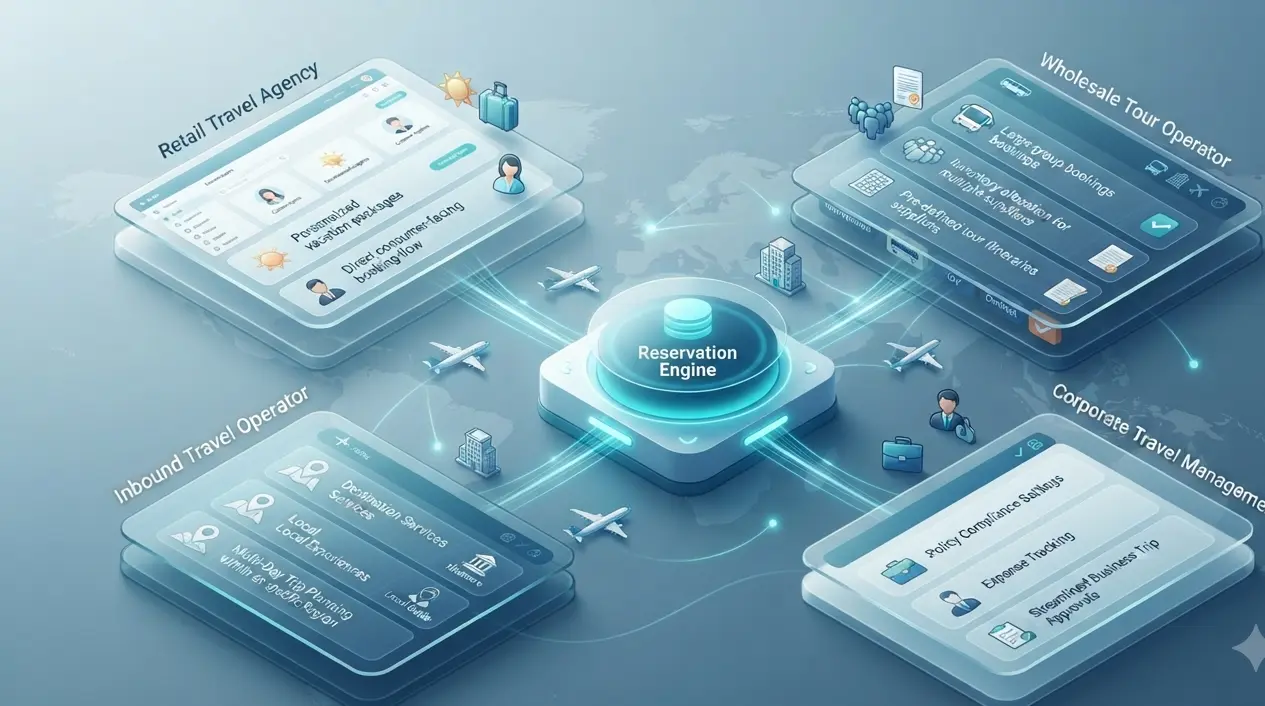
Before getting into that intermediate layer, it helps to see the full picture. If you still don’t have a clear idea of what type of system your agency needs based on its business model, this guide to the types of booking systems by agency model lays out that starting point before you move on.
The link almost nobody explains: the bedbank
A bedbank is, in simple terms, a wholesaler of hotel inventory. It aggregates rooms from hundreds or thousands of hotels, negotiates net rates, and distributes them to agencies, operators, and other platforms through a technical connection—an API. The agency doesn’t call the hotel. It doesn’t access the hotel’s internal system either. It queries the bedbank, and the bedbank returns, in seconds, what’s available and at what price.
This completely changes the original question. It’s not about understanding hotel software. It’s about understanding how an agency accesses, through a technology intermediary, inventory it doesn’t own and that changes constantly.
It’s worth clarifying something that often causes confusion: an agency can work with a single bedbank or with several at the same time, depending on the destination and the type of hotel it needs. An incoming agency operating in a specific destination might manage with two or three connections. An outgoing agency selling destinations worldwide needs access to a much broader network, because no bedbank covers 100% of global hotel inventory.
The real flow: from search to confirmation
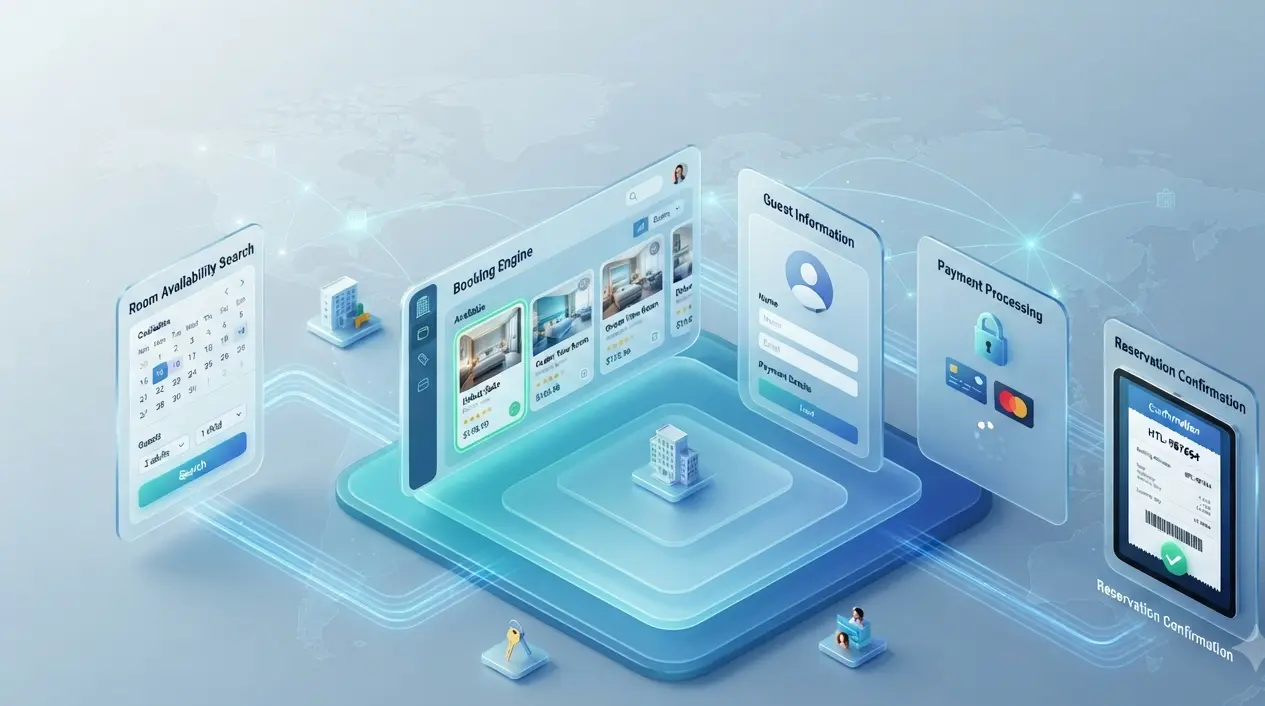
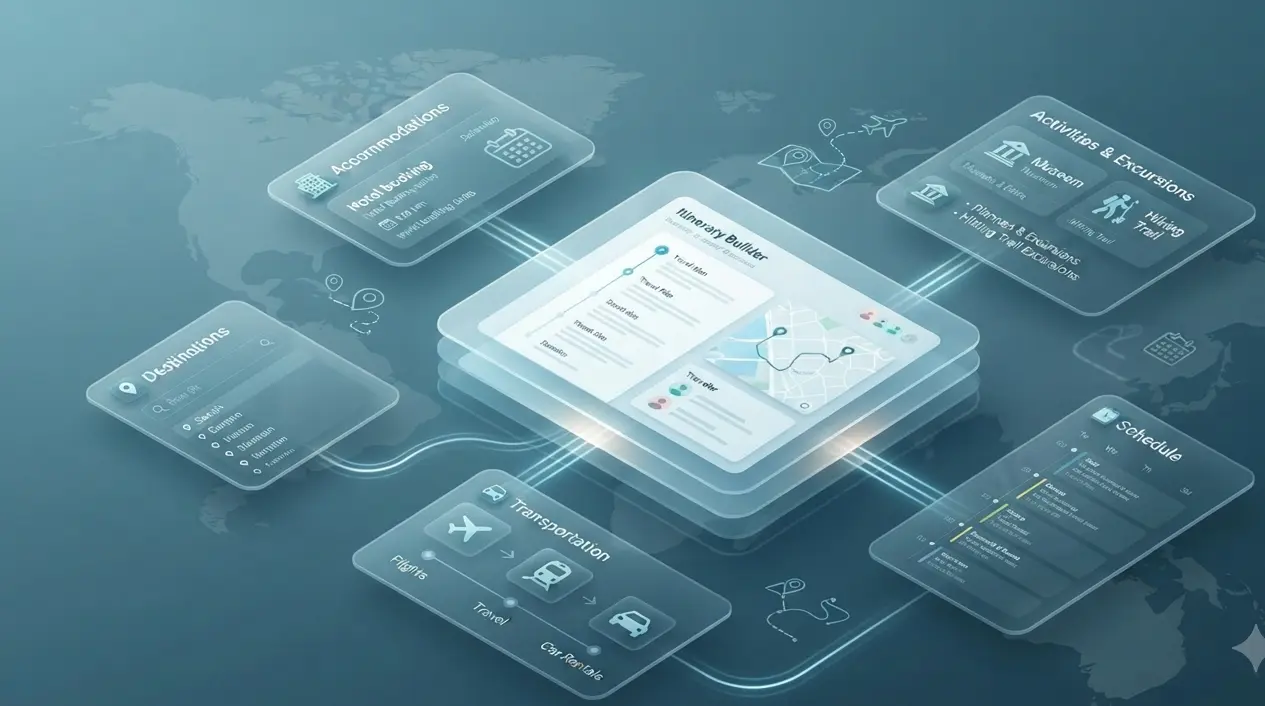
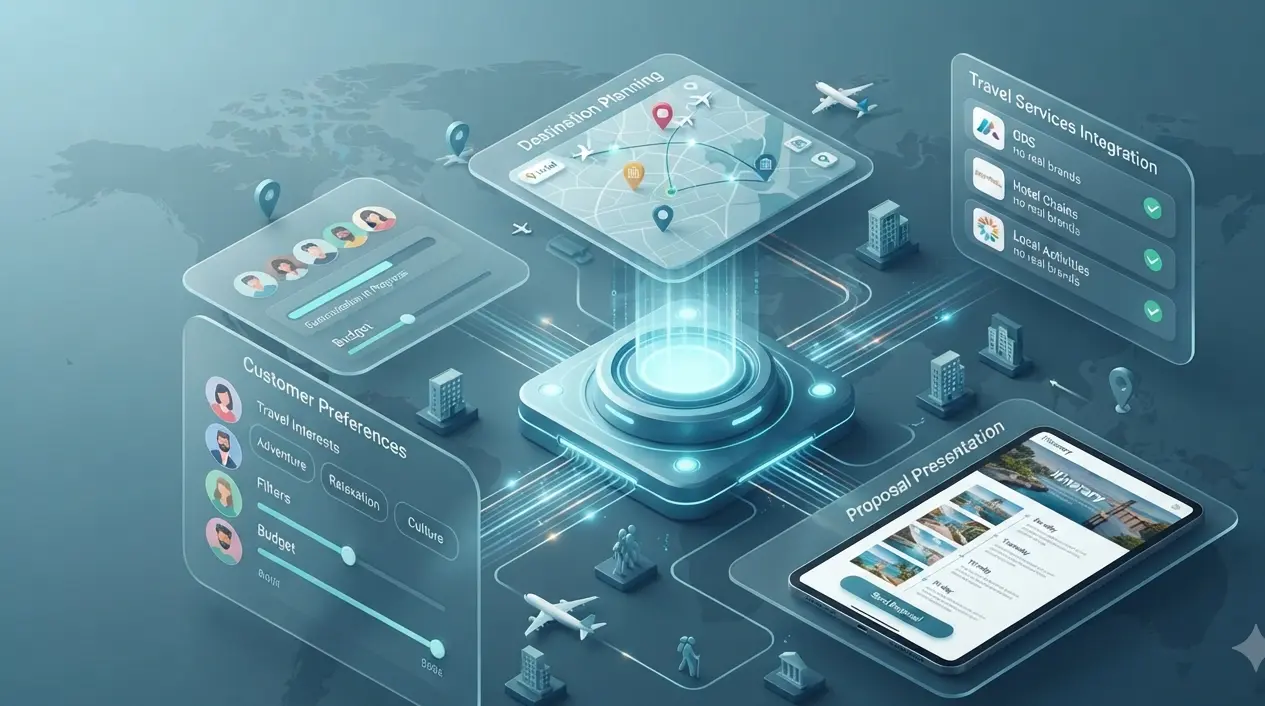
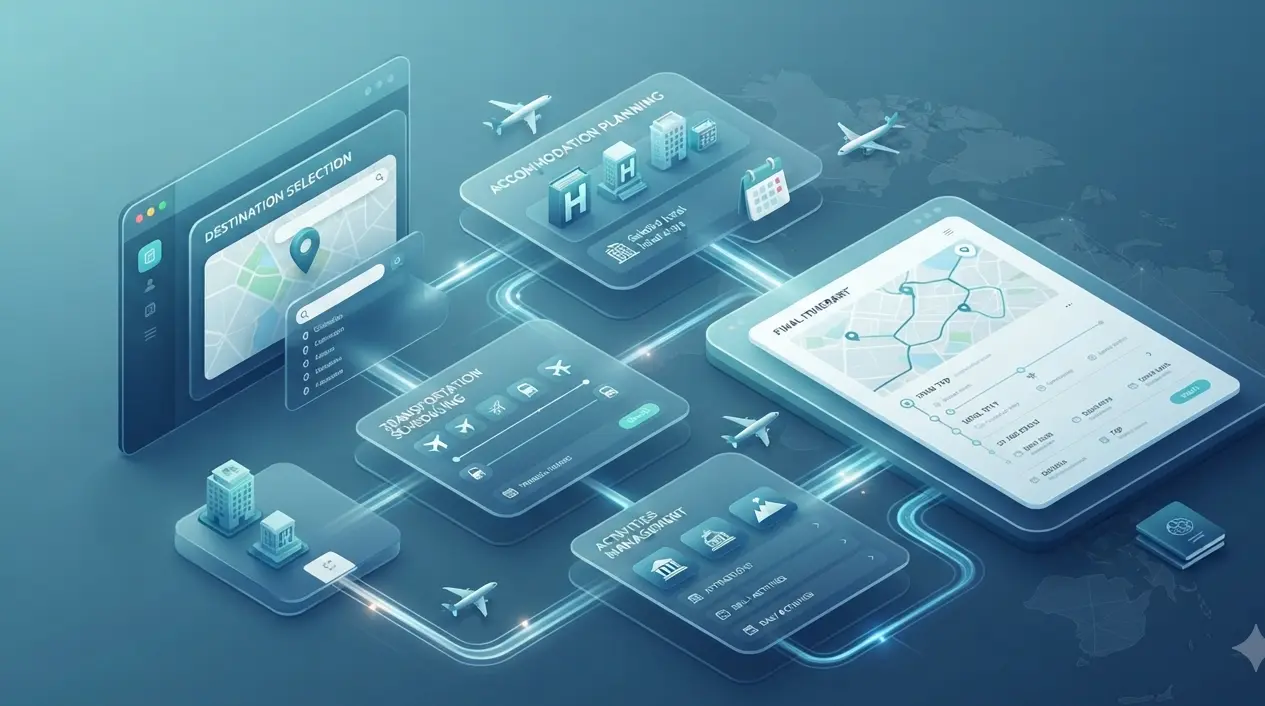
Thinking of this process as a sequence helps put the pieces in order. The agency enters destination and dates in its own system. That system sends the query to the connected bedbank. The bedbank responds with real-time availability, rate, and conditions. The agent selects the option, adds it to a quote or itinerary, and when confirming, that confirmation travels back to the bedbank, which in turn validates it against the hotel’s inventory.
None of these steps should require the agent to open a second screen, make a phone call, or wait for a confirmation email. When that flow is well set up, the search and the booking happen within the same working session, with no jumping between systems.
To understand how this logic fits into how a booking system works overall, beyond the hotel component, this guide on how a travel booking system works lays out the full picture.
What happens when that flow is broken
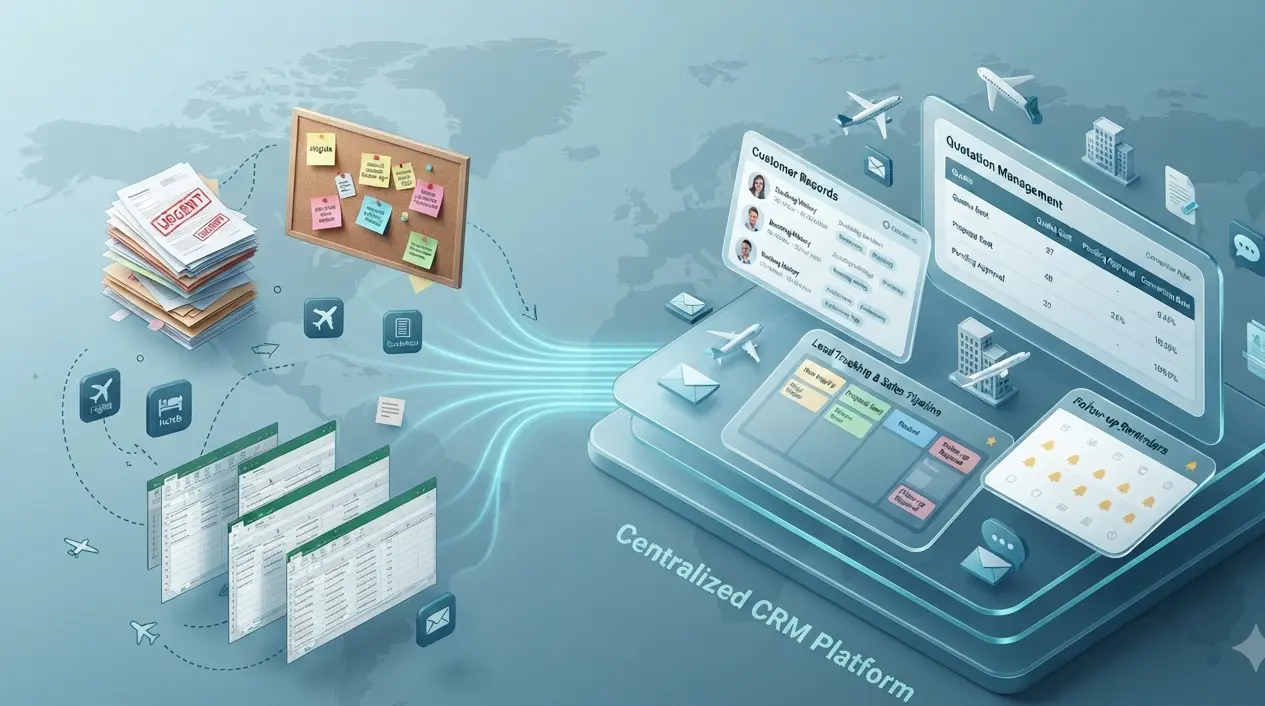
This is where it’s worth pausing, because it’s where most agencies still lose time without fully noticing. Without a direct connection between the agency’s system and bedbanks, every hotel search means stepping out of the quoting flow: opening a different extranet for each supplier, copying rates by hand, then going back to the agency system to build the final proposal.
The problem isn’t just slowness. It’s inconsistency. A rate copied manually can be out of date within minutes. Availability confirmed by phone can disappear before the client responds to the quote. And every time an agent works with three or four different extranets for the same itinerary, the likelihood of administrative errors increases in the same proportion.
Let’s think of a concrete case. An agent needs to quote a package with hotels in three different cities for a family group. If each city means logging into a different extranet, writing down rates in a separate spreadsheet, and then transferring them into the final quote, the whole process can easily take half an hour. If those three searches are handled from a single screen connected to multiple bedbanks, the same work drops to minutes, and the risk of mistyping a price disappears.
A connected operation, by contrast, searches once and gets responses from multiple hotel suppliers at the same time, without reopening anything.
Rates, currencies, and commissions: the layer almost nobody sees
There’s another level of complexity that’s rarely explained clearly: the rates returned by a bedbank aren’t always directly comparable. They may come in different currencies, with commission included or as a net rate on which the agency sets its own margin, and with cancellation policies that vary from supplier to supplier.
This means that “checking availability” isn’t just pulling a price. It’s pulling a price, converting it if needed, applying the agency’s commercial logic, and presenting it clearly to the end customer. When that conversion and margin calculation are done manually, the margin for error increases. When they’re integrated into the same system where the quote is built, that step disappears as a source of errors.
This is particularly sensitive for incoming agencies and operators working with international clients: a poorly converted rate or an incorrectly applied margin doesn’t just affect the profitability of a single booking, but also price consistency for the same client comparing multiple options.
Why the term “hotel software” confuses agencies
A big part of the confusion comes from the name itself. When someone searches for hotel software, most results talk about hotel management systems, known as PMS: tools designed for the hotel to manage its own rooms, front desk, and internal billing. That matters to a hotel. It matters less to an agency, which doesn’t need to manage rooms—it needs to search them, compare them across suppliers, and sell them within its own itinerary.
Understanding this difference avoids a common mistake: evaluating tools built for hotels when what the agency actually needs is a bedbank connection layer integrated into its own quoting and sales system. They’re two software categories that solve different problems, even if they share vocabulary.
A connection, not a parallel system
The clearest way to think about this is as a three-link chain: the hotel manages its inventory with its own system, the bedbank distributes it, and the agency searches it and sells it within its own workflow. The more direct that last connection is, the fewer manual steps separate the customer’s initial inquiry from the confirmed booking.
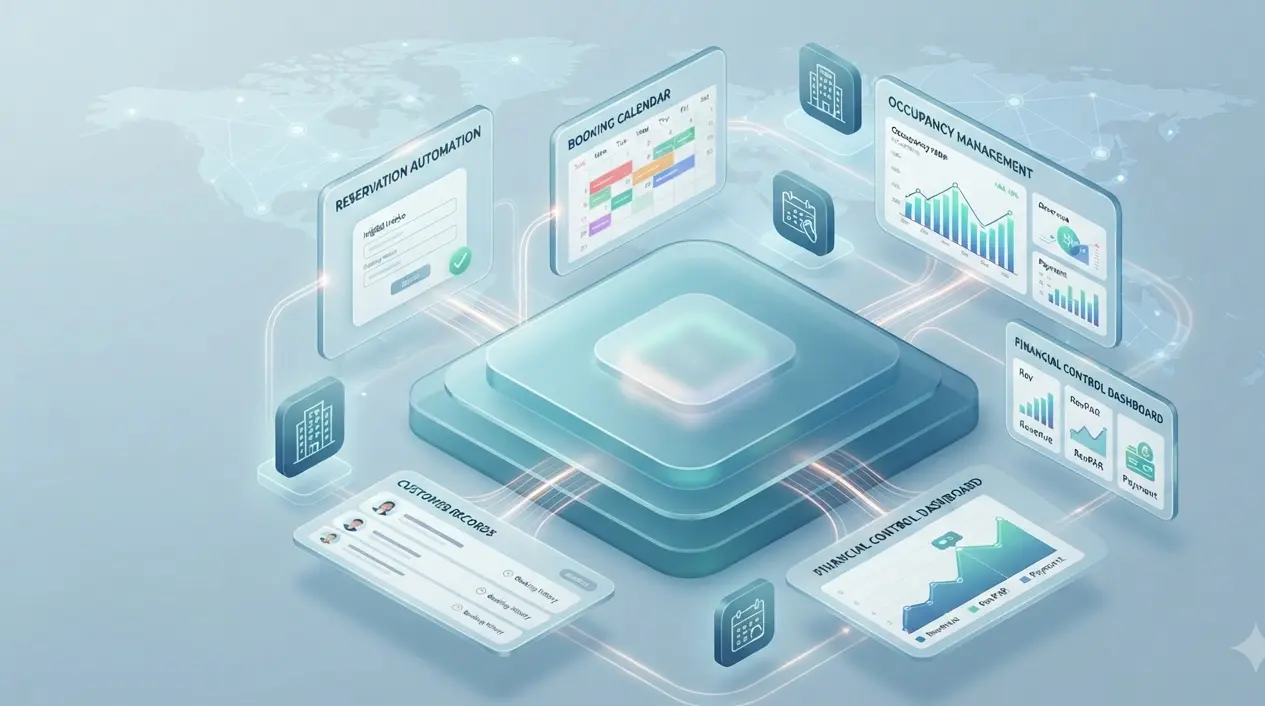
Travel agency management software, like Toursys, operates in that third link. It doesn’t manage rooms inside the hotel or replace the supplier’s PMS: it connects the agency’s commercial operation with the bedbank networks its hotel availability depends on.