Booking automation is no longer an optional operational improvement. It is a strategic factor for increasing sales, improving customer experience, and strengthening the perception of professionalism from the very first contact.
In tourism, where the purchasing decision involves a significant emotional and financial investment, every interaction counts. The customer evaluates response times, clarity of information, and the ability to resolve changes with agility. If modifying a date takes two days, doubt appears immediately: “What will the management be like once the trip is underway?”
Reducing friction for the customer from the start is key to increasing your conversions.
Customer experience in tourism: updated data explaining the impact
Customer experience is now one of the primary competitive differentiators. According to the report “Experience is Everything: Here’s How to Get It Right” by PwC (PricewaterhouseCoopers), updated globally in 2023, 73% of consumers state that experience is a decisive factor in their purchasing decisions, and 32% would abandon a brand after a single bad experience.
PwC is one of the Big Four global auditing and consulting firms, with a presence in more than 150 countries, making its studies widely used references in consumer behavior analysis.
In the tourism sector, where a purchase involves perceived risk, the initial experience carries even more weight than in other industries.
Response expectations in the digital age: the standard has already changed
Customer expectations regarding digital experience continue to rise year after year. According to the “State of the Connected Customer 2024” report by Salesforce, 88% of consumers state that the experience a company offers is as important as its products or services. Furthermore, a significant majority expects fast, consistent, and frictionless interactions across all digital channels.
Salesforce is one of the leading global companies in customer relationship management (CRM) technology, and its study is based on surveys of thousands of consumers and business buyers in various international markets.
In tourism, where the decision involves a considerable investment and advance planning, speed of response and consistency of information directly influence the perception of professionalism. When you use an automated and integrated booking system, you can generate quotes, recalculate services, and update itineraries in minutes, maintaining consistency between rates, margins, and conditions. This fluidity reduces friction, conveys control, and increases trust from the first contact.
Booking automation and conversion: how it really impacts
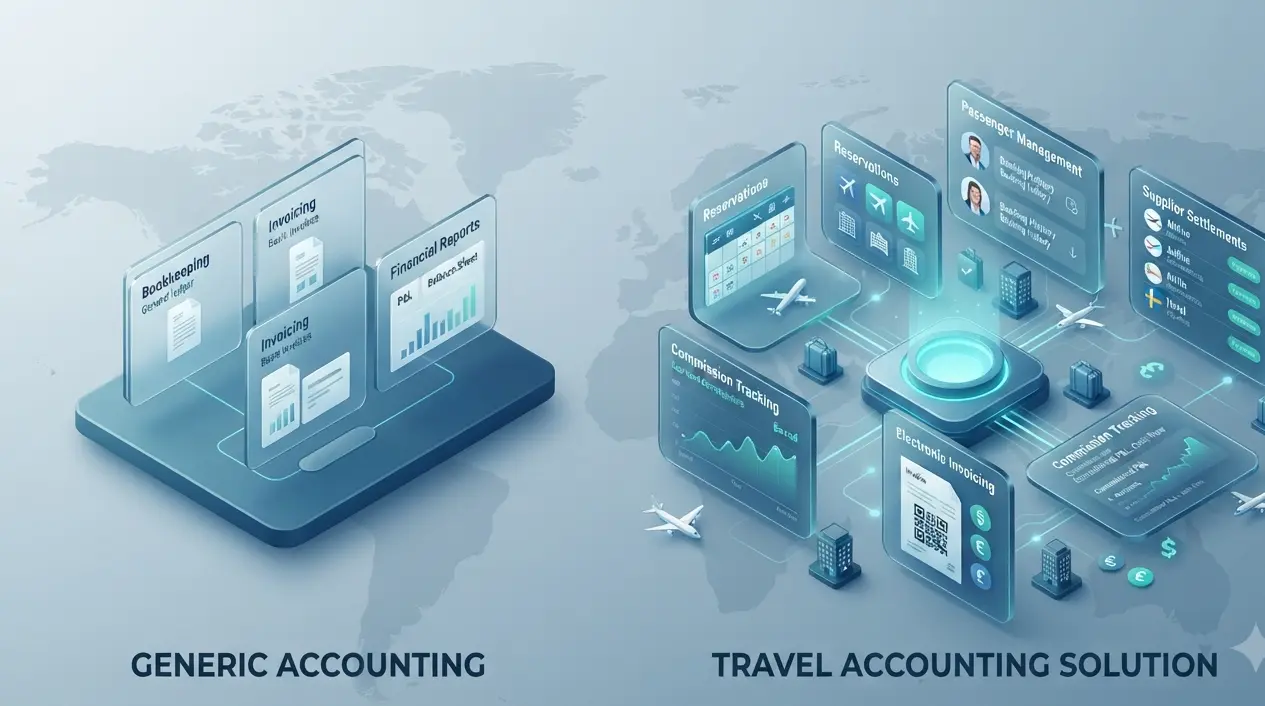
When you work with manual processes, every modification requires reviewing rates in different files, adjusting documents, and coordinating confirmations separately. Although the customer does not see this internal effort, they do perceive the result: delays, different versions of the same proposal, or small inconsistencies that create doubt. In tourism, where the purchase involves planning and anticipation, these signals affect the perception of professionalism.
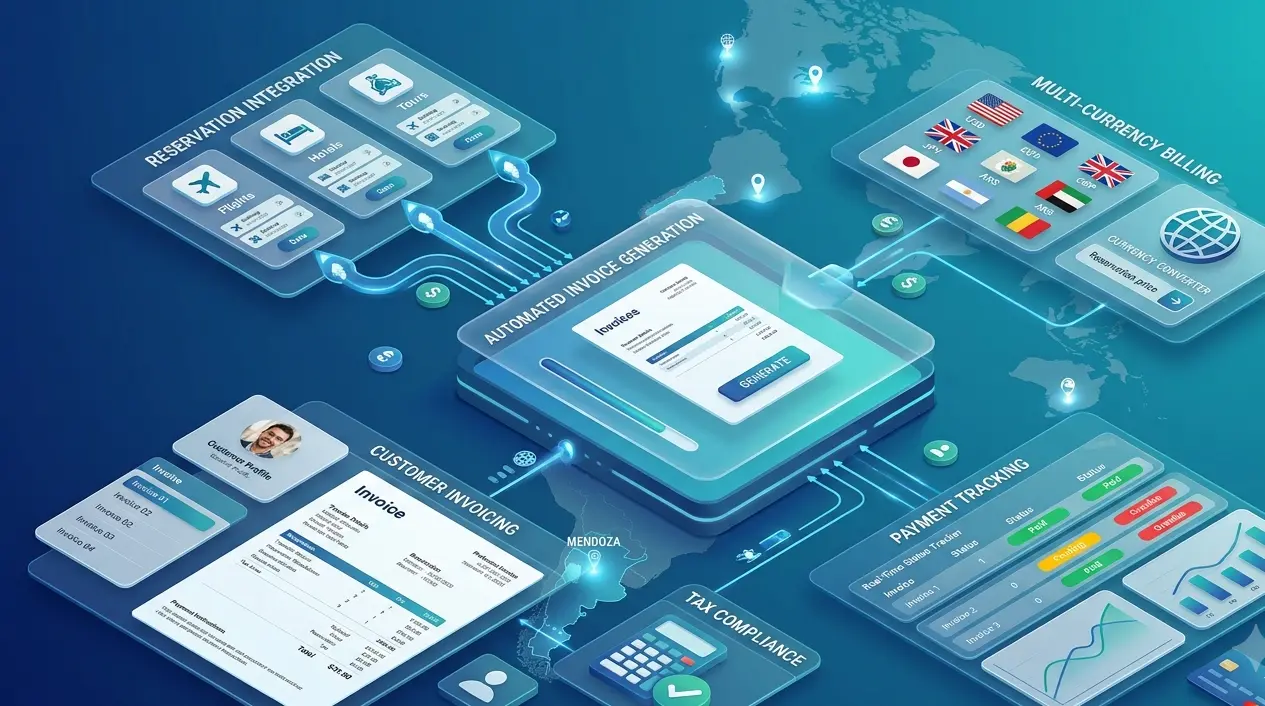
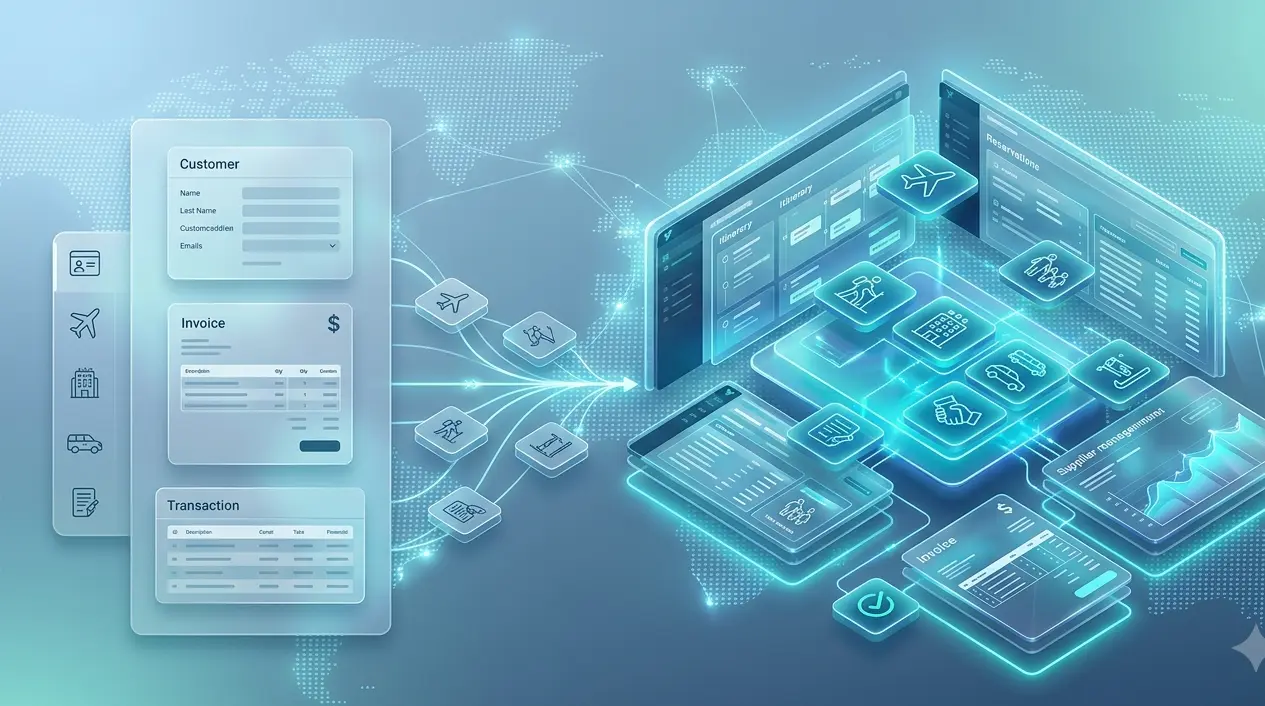
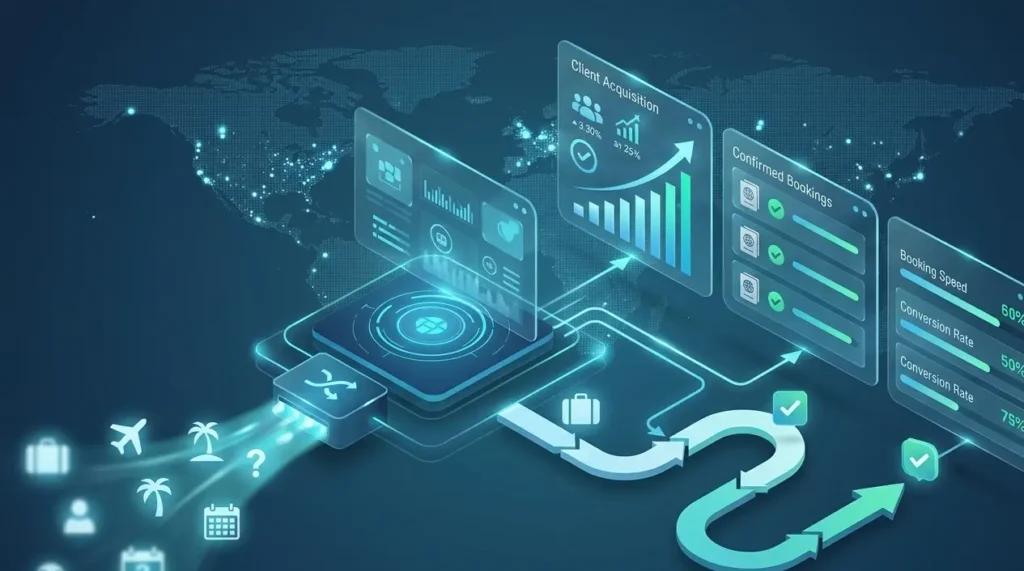
In contrast, when you use an automated and integrated booking system, the change request is managed directly within the platform. Rates are updated automatically, margins are recalculated in real time, and the digital itinerary is regenerated in a matter of minutes. The customer does not wait days to receive a corrected version; they receive a clear, consistent, and professional proposal on the same day. This fluidity reduces friction, reinforces trust, and accelerates the purchasing decision.
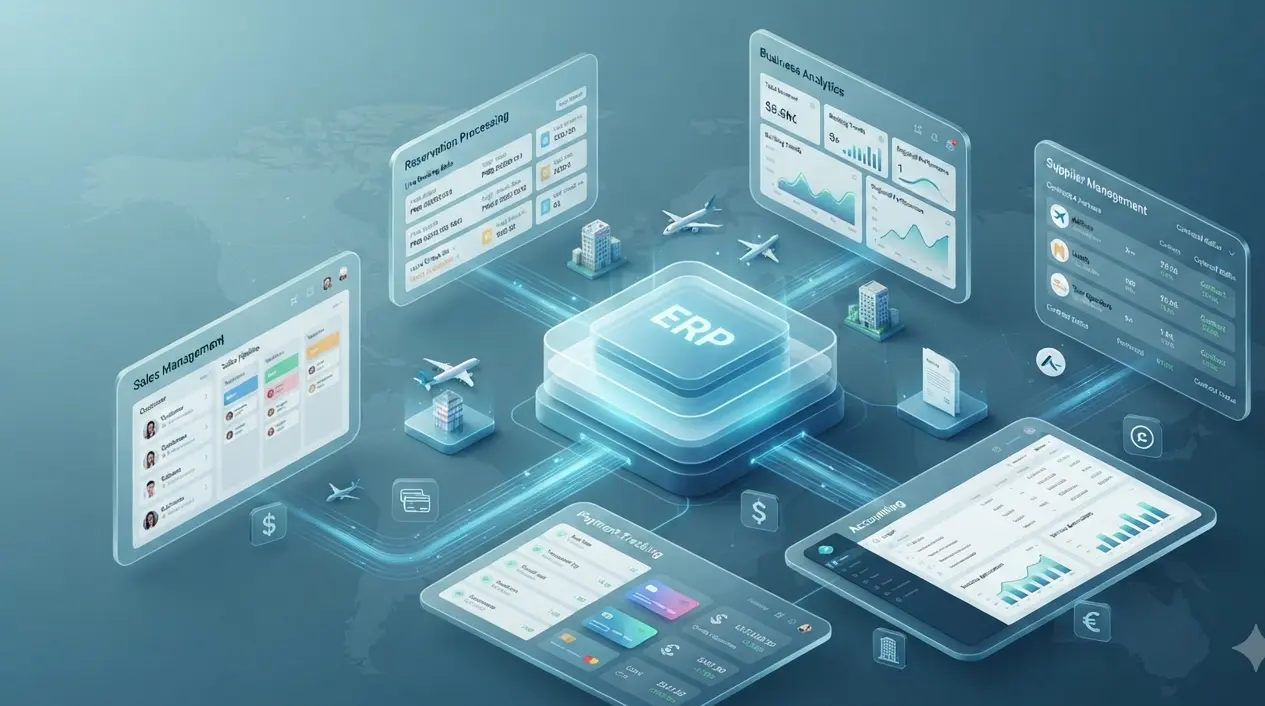
An example of this approach can be seen in platforms like Toursys, where rates, seasons, and commercial rules are pre-parameterized. This allows changes to be processed on a structured information base, maintaining consistency between commercial and operational aspects. When the internal structure is solid, the external experience becomes naturally fluid.
Use case: impact on conversion and customer trust
Imagine you receive a request for an adjustment to an international itinerary. In a manual setup, you review rates in various documents, recalculate prices in spreadsheets, reconfigure the budget, and send a new version hours or days later. The customer receives a response, but with the feeling that every modification is complex.
In an automated environment, the same request is processed within the system. Rates are already parameterized, commercial rules are applied automatically, and the digital itinerary is updated in minutes. Your customer perceives control, speed, and consistency.
In both cases the destination is the same The difference is in the experience And experience influences your conversion.
Metrics to evaluate if automation is helping to sell
Below is a self-assessment table. The “Current Time/Value” column is designed for you to complete with your own data so you can compare it with market standards and the expected performance of an automated system.
| Process | Current Time/Value (complete here) | Optimal Time Expected by the Customer | Time with Automated System |
| First response to inquiry | Less than 4 hours | 1–2 hours | |
| Delivery of initial quote | 24 hours or less | 30–60 minutes | |
| Quote modification | Same day | 5–15 minutes | |
| Confirmation with supplier | Within 24 hours | Automated or immediate depending on integration | |
| Final itinerary delivery | Same day as confirmation | Immediate after confirmation | |
| Interactions needed before closing sale | 2–3 exchanges | 1–2 exchanges |
This comparison allows you to identify gaps between your current operation and the actual expectations of the digital customer.
Automation and loyalty: the direct relationship
Loyalty does not begin after the trip. It begins in the quoting phase. When your customer experiences speed, clarity, and consistency from the first contact, they develop trust. That trust reduces objections, accelerates the purchase, and increases the likelihood of repeat business and recommendations.
An automated and integrated booking system does not replace your human expertise. It enhances it. It frees you from repetitive tasks and reduces errors, allowing you to dedicate more time to designing better experiences. When your operation is solid and fluid, the customer perceives it. And when they perceive it, they return.
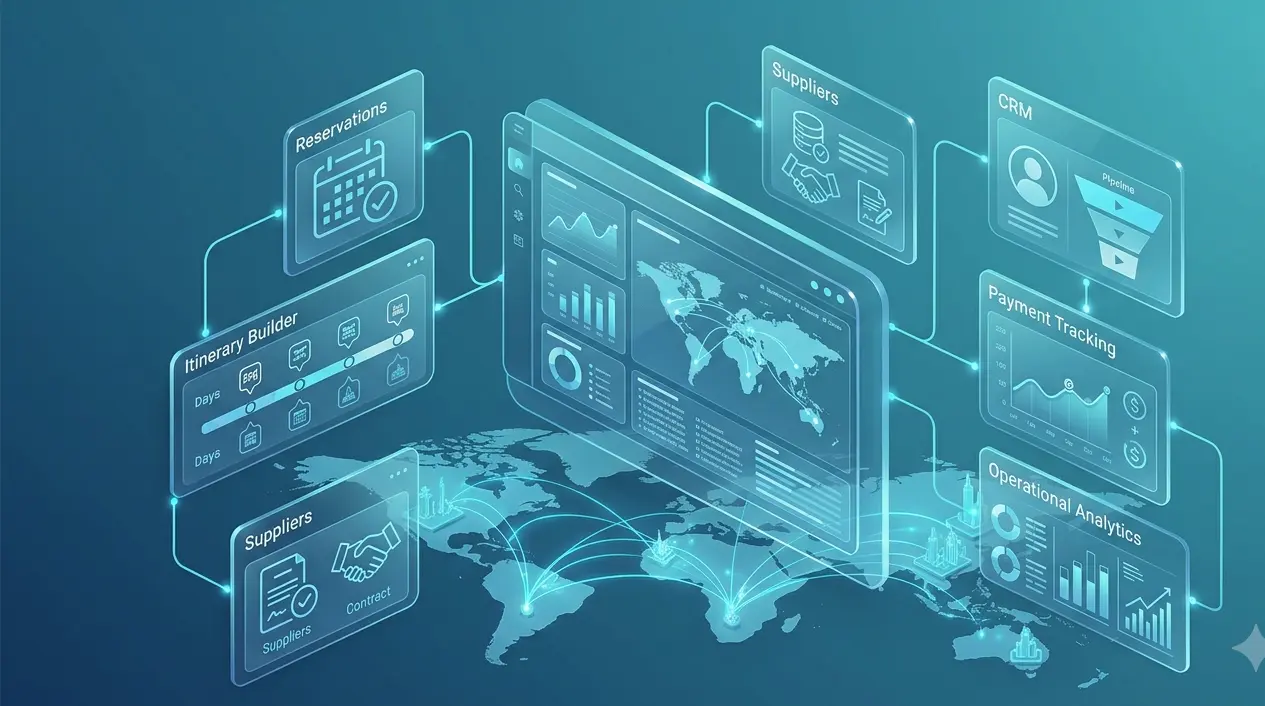
In solutions like Toursys, the integration between bookings, confirmations, and digital itinerary generation allows the commercial and operational experience to be aligned in a single flow. This ensures that every update reflects real conditions and correct margins. When the customer perceives consistency in every interaction, loyalty stops depending solely on the destination and begins to rely on the trust generated by your management.
Booking automation as a competitive advantage
In the current context, where customer experience defines differentiation, automating online bookings is a growth strategy.
The integration between rates, operations, and itinerary generation not only improves your internal efficiency. It increases your conversion rate, reduces friction in the commercial process, and elevates the level of perceived professionalism.
In tourism, the purchasing decision is built in every interaction. If you reduce uncertainty, you increase sales.