In today’s tourism, the itinerary is no longer a simple document: it is an agency’s calling card. Choosing the right
1. A visual, intuitive and real-time editor
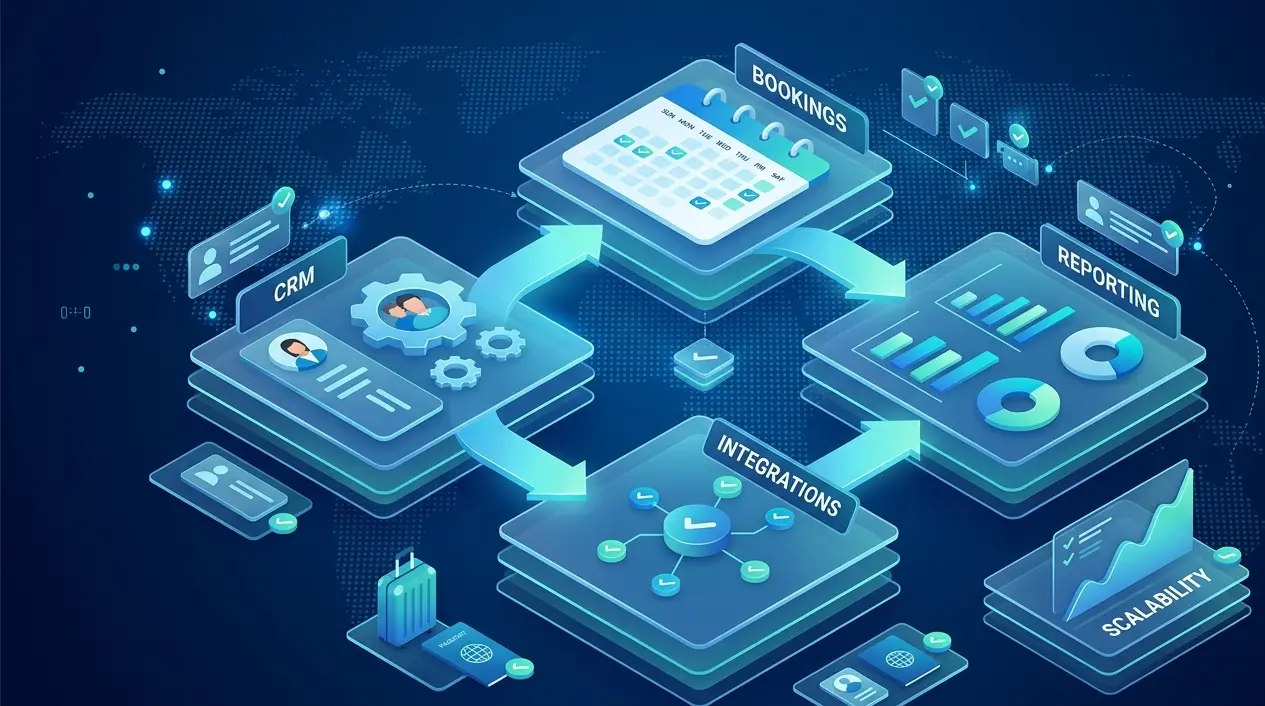
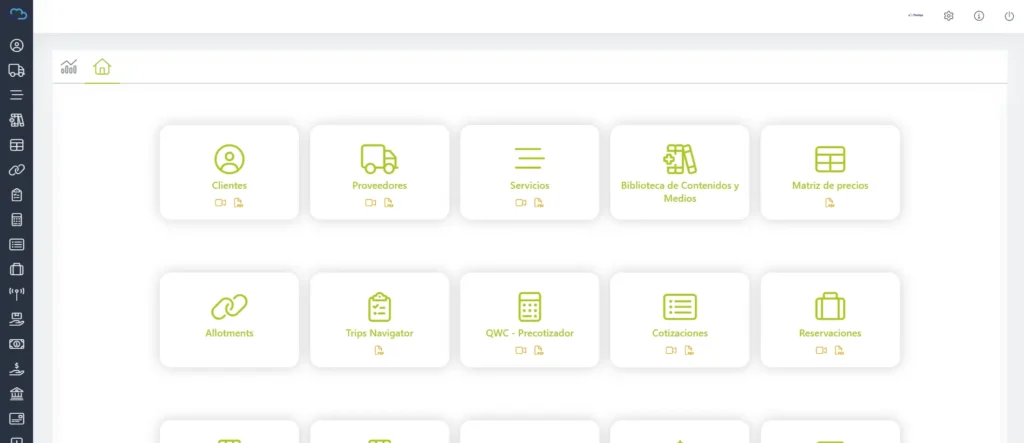
The editor is the core of Toursys itinerary creator. Its Trips Navigator tool allows you to design professional itineraries in minutes, without technical knowledge, with a clear interface and instantly visible results. The visual editor makes it easy to add, delete or adjust information using pre-designed templates, colors, fonts and customizable images. Fully adaptable to your brand, Trips Navigator allows your team to create and share digital itineraries in multiple languages and currencies, optimizing time and improving customer experience.
2. Personalization of branding and experience
An itinerary also communicates the agency’s identity. This is why the ideal software offers complete customization options: logo, colors, typography and style. Some platforms even allow you to create “white label” versions for different clients or partner brands, ensuring visual consistency without losing agility.
3. Integration with the reservation system
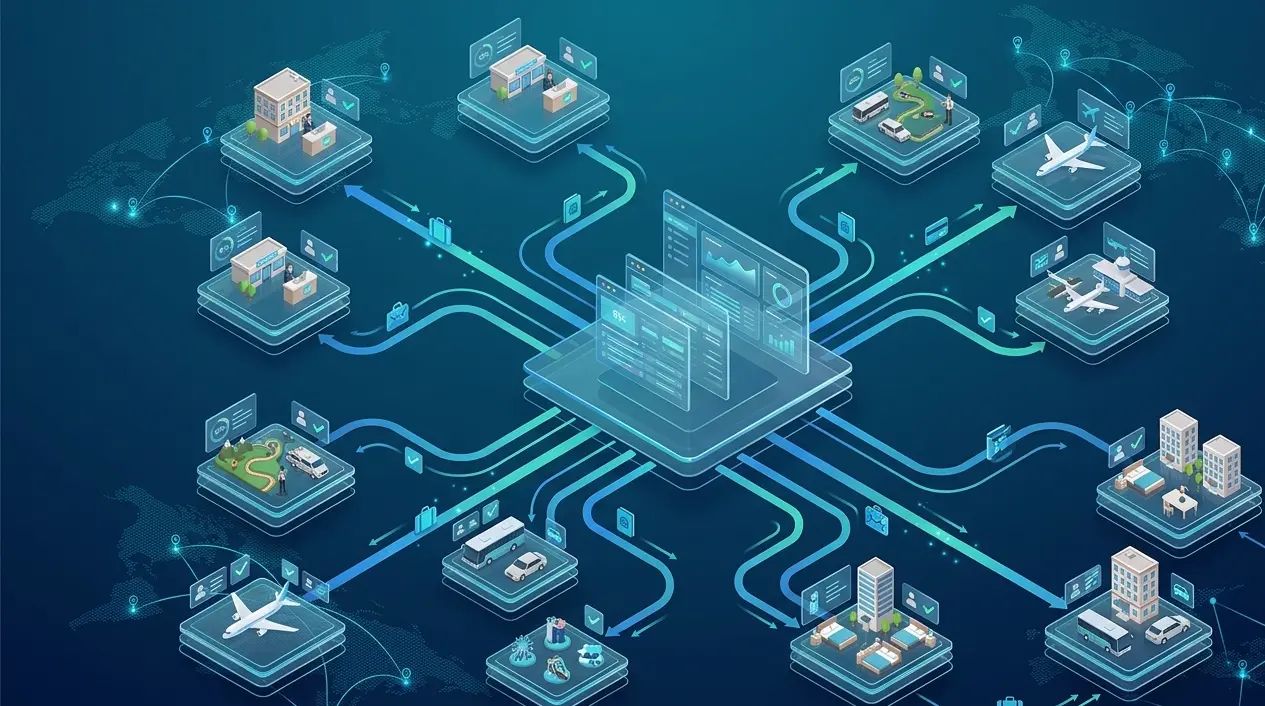
Más allá del diseño, la herramienta debe conectarse con el flujo operativo. Un buen creador de itinerarios de viaje está integrado al módulo de reservas y proveedores, de modo que las cotizaciones reflejen disponibilidad y tarifas en tiempo real. Esto evita duplicar tareas y asegura que la información enviada al cliente sea siempre precisa.
4. Multilanguage, multicurrency and artificial intelligence
Working with international travelers requires adaptable itineraries. Modern systems include
5. Live modifications and constant monitoring
The ability to adjust dates, services or prices without redoing the entire itinerary is key to efficiency. The best tools allow you to modify a service or change a rate and see the result immediately reflected in the document shared with the client.
6. Automation and smart notifications
An effective itinerary builder incorporates automatic alerts: reminders, schedule changes or travel tips. These notifications keep both the customer and the internal team informed, strengthening communication and the service experience.
7. Reusable templates and operational efficiency
Predefined templates help you scale your work without losing customization. They allow you to save base structures, duplicate them and adapt them for different types of trips, destinations or seasons. This reduces turnaround time and maintains consistency across teams.
8. Remote access and collaboration in the cloud
La operación turística actual requiere flexibilidad. Un sistema basado en la nube posibilita que agentes, guías y equipos colaboren desde cualquier lugar, con acceso seguro y actualizaciones en tiempo real. Hoy en día los software para agencias de viajes on line están en auge.
9. Integration with marketing and customer experience
Digital itineraries can be integrated with booking engines or payment gateways, allowing the customer to confirm or consult their trip directly from the proposal. This simplifies communication and improves the customer experience, making the whole process more agile and transparent.
What happens when itineraries are managed manually?
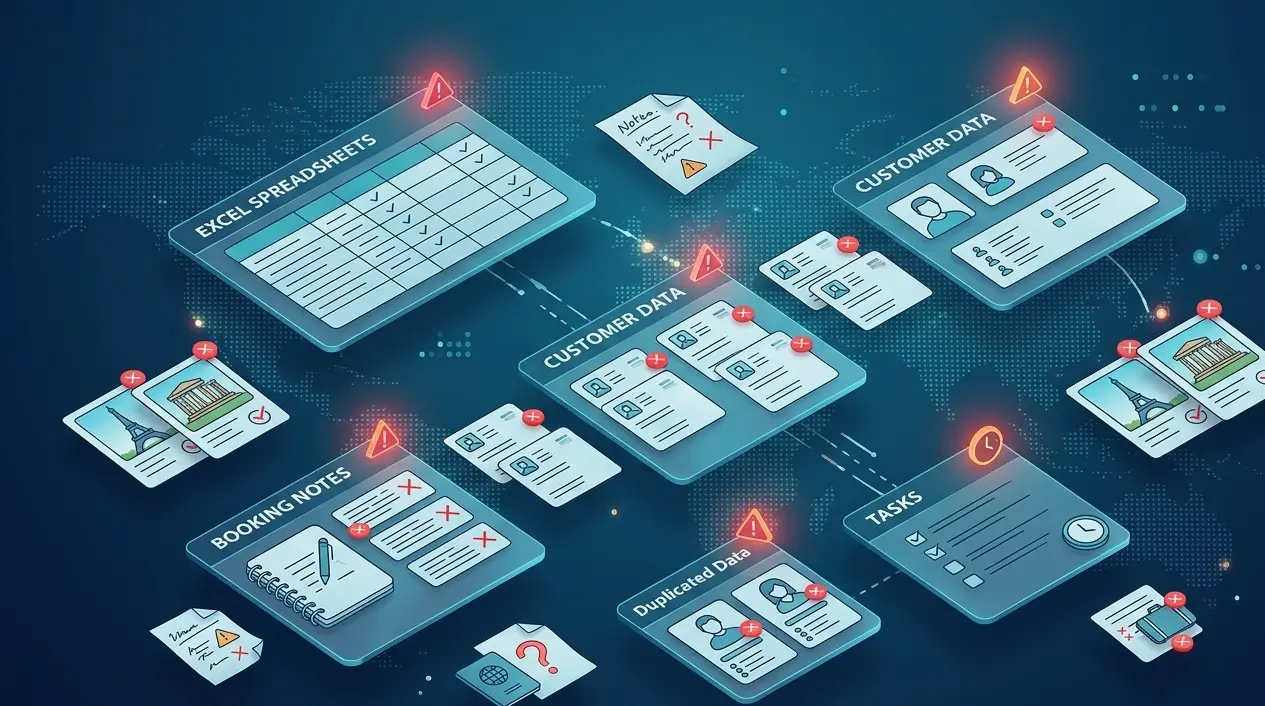
Before implementing a digital system, many agencies still prepare their itineraries using Word or Excel documents and send them by e-mail to clients. At first glance, this seems a practical method, but in day-to-day operations it often leads to multiple complications.
Let’s imagine a common case: an agency puts together a tour for a group of ten people. The itinerary is prepared in an attachment, with services confirmed by different suppliers. A day later, one of the hotels changes its availability policy; another supplier updates its rates, and an excursion is suspended due to weather conditions. The agent must manually review each item, modify prices, resend emails, attach new files and make sure everyone involved has the correct version.
The result is a fragmented workflow, where information is scattered among messages, file versions and internal conversations. It is common for customers to compare different documents or for the team to make mistakes because they do not have a single source of truth. In addition, each change involves recalculating margins, resubmitting confirmations and updating bookings, which multiplies operational time and the risk of inconsistencies.
These situations, common in high-demand environments, highlight the need for a dynamic and centralized itinerary system that connects quotes, services and availability in real time. When changes are automatically reflected and all actors work on the same version of the trip, management becomes more agile, professional and reliable, avoiding errors that can affect the traveler’s experience and the agency’s profitability.
How to choose the right tool for your agency
A well-designed itinerary generator optimizes the internal work of agencies, improves customer service and allows them to offer more professional and personalized proposals.
Actualmente, Toursys integra un avanzado generador de itinerarios llamado Trips Navigator, que reúne todas las funcionalidades en una misma plataforma. Con Trips Navigator, es posible diseñar itinerarios, gestionar reservas y mantener la comunicación con los clientes dentro de un entorno flexible y colaborativo, donde todo el equipo de la agencia o tour operador puede trabajar de manera coordinada y eficiente.
This integration ensures that processes are faster, more organized and with instantly visible results, facilitating both the internal operation and the customer experience.
CTA: Book a call and we will show you a demo.