Customer management in tourism has changed. It is no longer enough to have a database or a shared Excel: travelers demand immediate responses, personalized follow-up and constant communication before, during and after the trip.
A CRM for travel agencies becomes the operational hub that connects marketing, sales and post-sales, helping your team to sell better and build loyalty.
What is a CRM and why is it key for your agency?
A CRM (Customer Relationship Management) is a system that allows you to record, organize and automate all interactions with your customers. In a travel agency, this means that every inquiry, quote and reservation is associated with a complete history, accessible to the entire team.
The result: a more professional and consistent service. Each agent can see in seconds what the customer requested, what was quoted and what stage the customer is at in the process. This avoids duplication of effort, improves internal communication and ensures fast, personalized responses. While some systems focus only on selling, a CRM allows you to build lasting relationships, anticipate needs and offer tailored experiences.
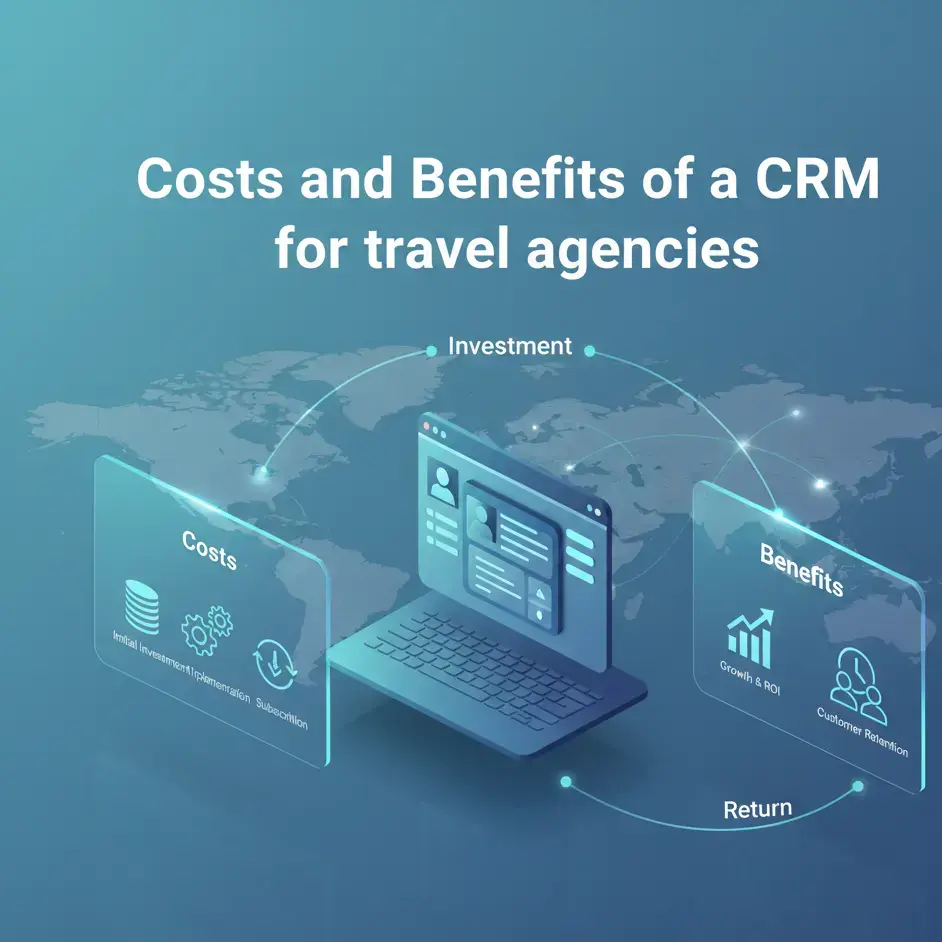
How much does a CRM for travel agencies cost?
The cost of a CRM varies according to the number of users, customization and integrations available. In the market, prices usually range from USD 30 to USD 100 per user per month, although there are more advanced solutions that integrate ERP, booking engines and marketing automation for a higher cost, but with a faster return.
Beyond the price, the real value is in what it brings: less manual work, fewer errors and more sales. A well-implemented CRM can reduce quote turnaround time by up to 40% and significantly increase the conversion of opportunities into confirmed bookings.
Benefits of implementing a CRM in tourism
1. Lead capture: centralize opportunities
Each inquiry, form or contact through networks is automatically registered in the system. This allows not missing any opportunity, assigning follow-up managers and segmenting leads according to origin, interests or level of progress.
In addition, digital campaigns can be linked directly to CRM, making it easier to measure real results.
2. Faster and more accurate quotations
With a CRM, quotes no longer depend on loose sheets or scattered mailings. Rates, suppliers and margins are integrated into dynamic templates that can be sent to the customer in minutes.
This speeds up the sale and conveys a more professional image of the agency.
3. Automated follow-up and smooth communication
Each customer action (opening a proposal, answering an email, confirming a reservation) can trigger reminders or automatic messages. The agent does not need to manually review each case: the system alerts, reminds and accompanies.
This strengthens communication without saturating the team.
4. Reserves and integrated operations
A CRM connected to reservations allows you to coordinate payments, availabilities and confirmations in the same environment. This eliminates duplication, avoids loading errors and ensures that each sale moves forward without friction between departments.
5. After-sales: build loyalty and measure satisfaction.
The relationship doesn’t end with the booking. With a CRM, you can measure the level of satisfaction, send automatic surveys, record incidents and generate future opportunities.
This tracking allows you to detect recurring customers and offer personalized experiences, driving repurchase and recommendation.
A complete CRM flow for travel agencies
A CRM doesn’t just store information: it traces the complete journey of each customer, from the moment they meet your agency until they become a repeat traveler. Each stage represents an opportunity to connect, understand their needs and offer them a more human and efficient service.
The following is a general flow applicable to the tourism sector, showing how the relationship with the customer evolves over time:
| CRM Stage | Description (customer contact value) |
| Lead attraction | It is the first contact with the potential traveler. This is where their interest is captured and key information is obtained to offer personalized experiences from the beginning, strengthening trust and conversion. |
| Qualifications and contact | The quality of the lead is analyzed and an initial communication is established. Understanding their profile and motivations allows us to prioritize opportunities and offer relevant proposals that connect with their real expectations. |
| Quotation and proposal | The customer receives a professional and clear offer. This stage consolidates the relationship by showing speed, consistency and mastery of the product, elements that generate credibility and increase the intention to buy. |
| Reservation and confirmation | Interaction becomes operational: the traveler confirms services and payments. Maintaining close contact at this point guarantees security, eliminates doubts and reinforces the perception of constant accompaniment. |
| Accompaniment during the trip | During the experience, the CRM allows you to send notifications, itineraries and updated vouchers. This proactive contact improves communication, anticipates unforeseen events and conveys professionalism and peace of mind to the passenger. |
| After-sales and loyalty | Once the trip is over, the CRM allows you to stay in touch through surveys, thank yous or promotions. This after-sales link transforms a good experience into a long-lasting and referential relationship. |
Toursys: CRM and integrated management in one platform
Implementing a CRM within a travel agency should not be a complex or costly project.
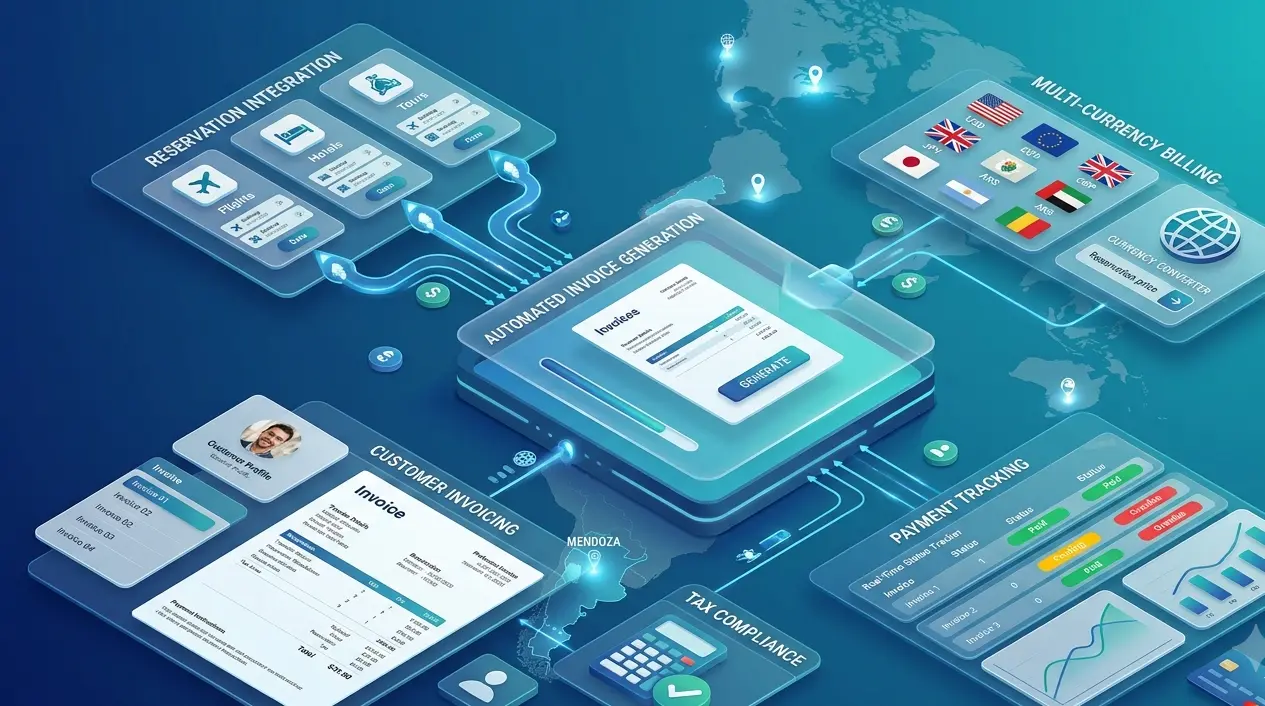
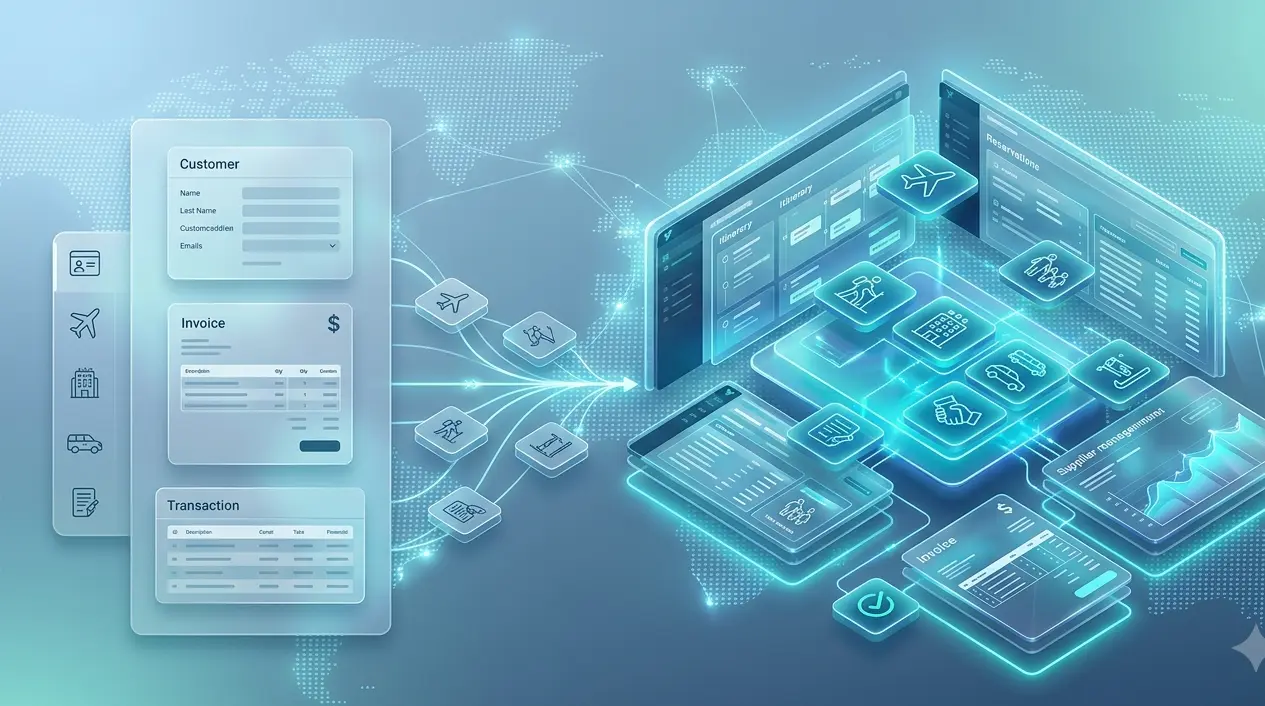
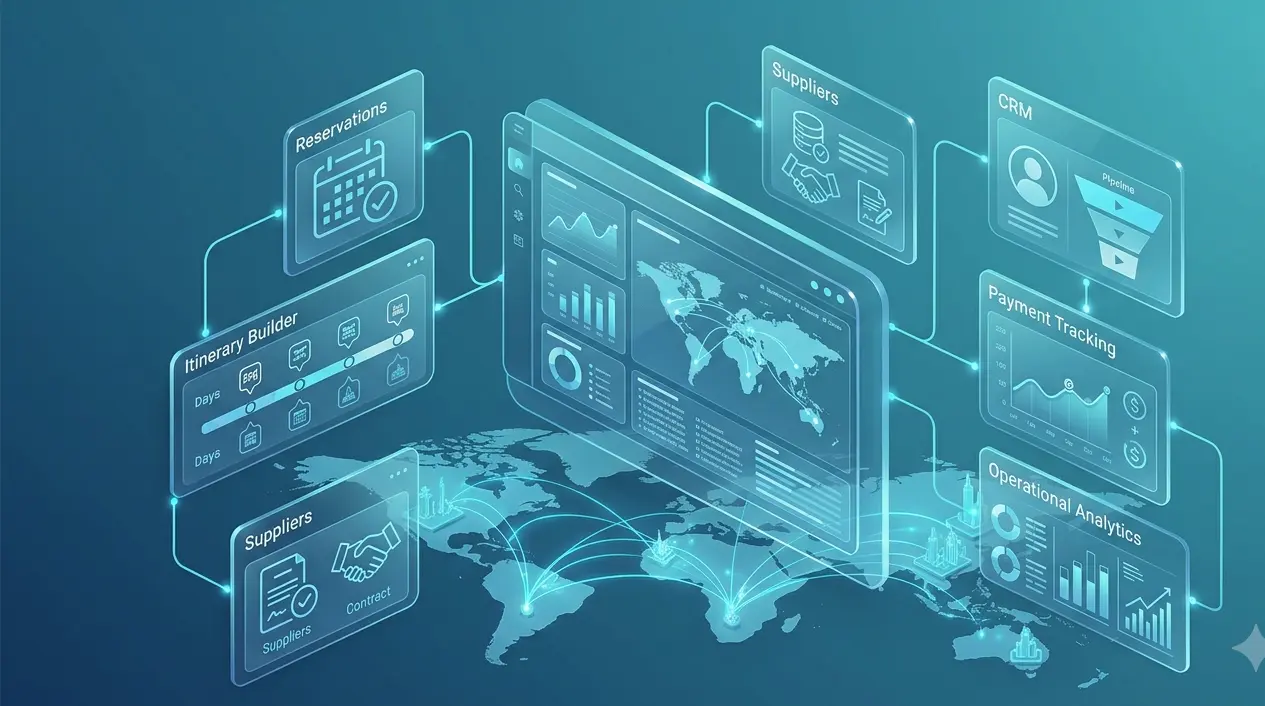
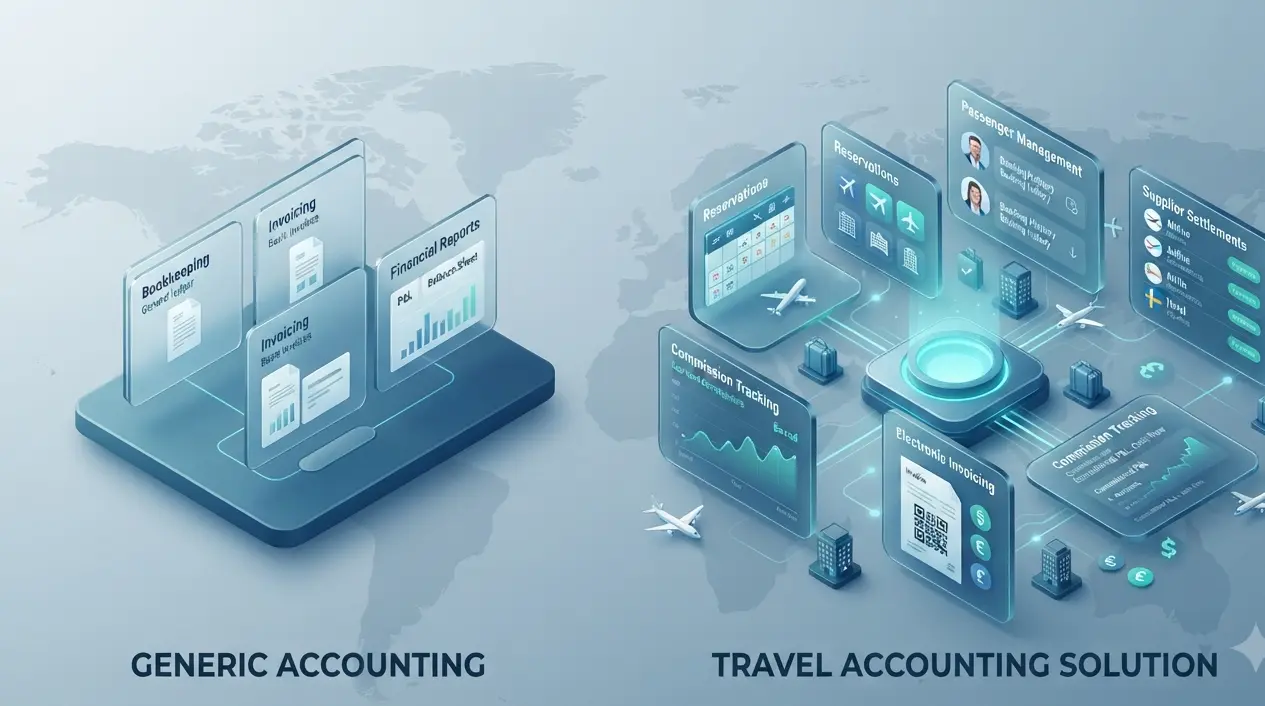
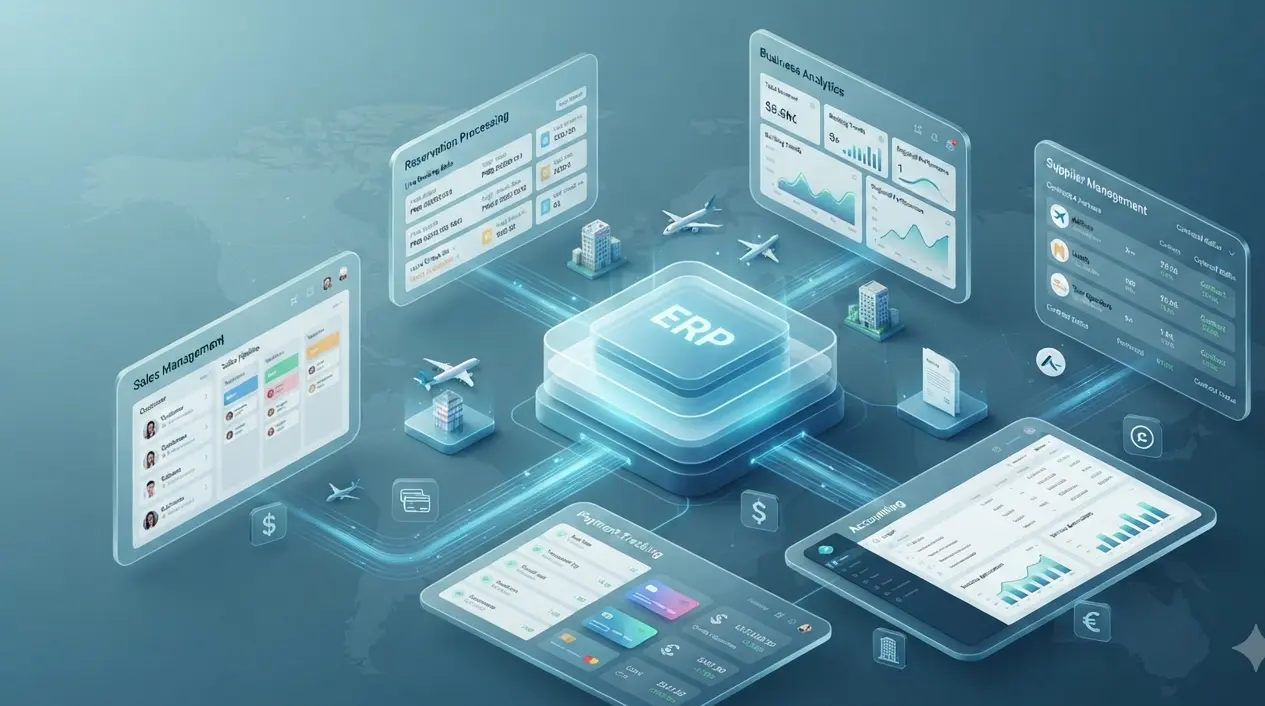
There are solutions designed specifically for the industry that integrate CRM, reservations, itineraries, finance and marketing in a single tool.
In the case of Toursys, the entire process described above is managed from a single platform. From lead attraction to post-sales, each interaction is automated and connected with the other areas of the business, generating a real control of the commercial funnel and a more human and efficient service.
Schedule a demo and find out how Toursys empowers your management
Automate tasks, centralize your information and experience how smarter management can transform your daily operations and profitability.